China Emerges as Central Asia’s Largest Trading Partner
Global Times spotlights that China has emerged as Central Asia’s largest trading partner for the first time, with bilateral trade surpassing $100 billion in 2025.
China became the largest trading partner of all Central Asian countries for the first time in 2025, as two-way trade between China and the region exceeded $100 billion to reach a new high, with Central Asia accounting for a growing share of China's overall foreign trade, the Ministry of Commerce (MOFCOM) said.
Under the strategic guidance of heads-of-state diplomacy, China-Central Asia economic and trade cooperation made solid progress last year, a MOFCOM official said in a statement. Customs data show that bilateral goods trade reached $106.3 billion in 2025, up 12 percent year-on-year, with the growth rate accelerating by 6 percentage points.
The ministry also said that China-Central Asia trade has expanded for five consecutive years.
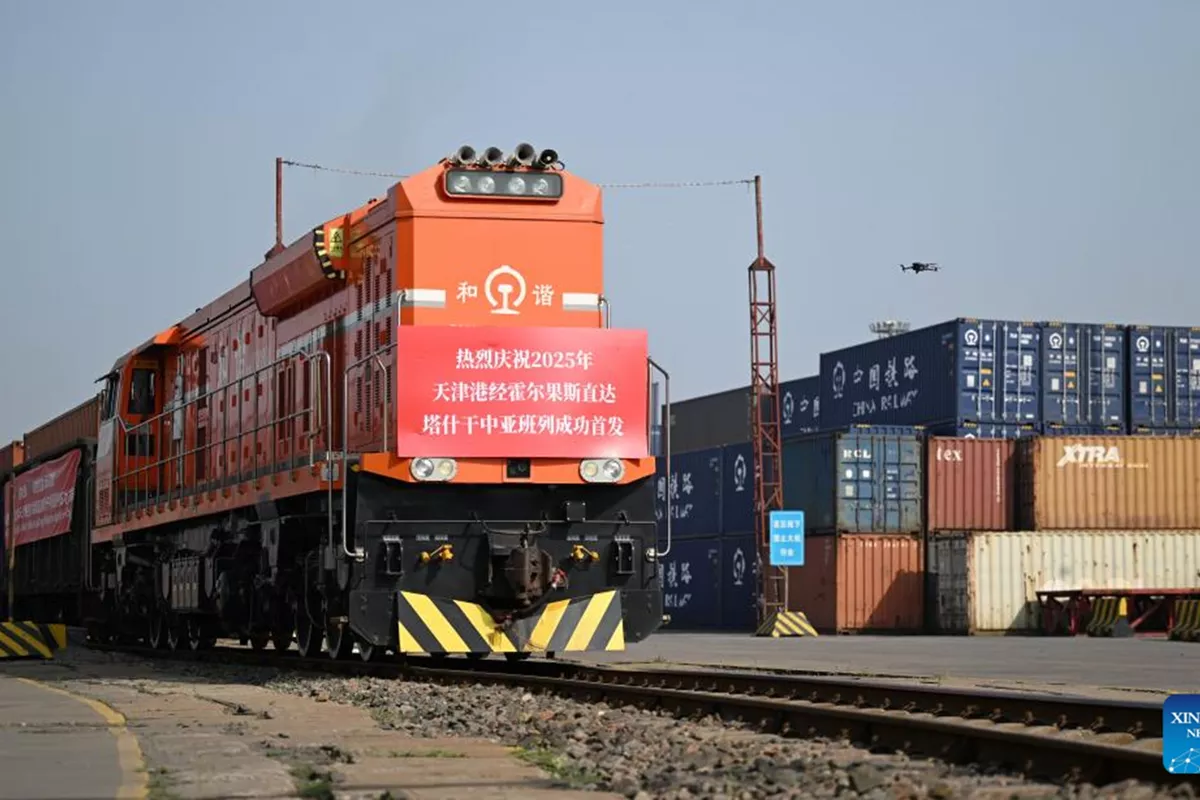
Beyond headline growth, the structure of trade is improving. China's exports to Central Asia totaled $71.2 billion, up 11 percent year-on-year, driven by strong growth in mechanical and electrical products as well as high-tech goods. The market share of China's "new three" products - electric vehicles, lithium batteries and photovoltaic products - expanded steadily.
Official data showed that imports from Central Asia reached $35.1 billion, up 14 percent. In addition to traditional energy and resource products, China imported a broader range of non-resource goods, including chemicals, steel products and agricultural produce, pointing to what some analysts described as a more balanced and resilient trade structure.
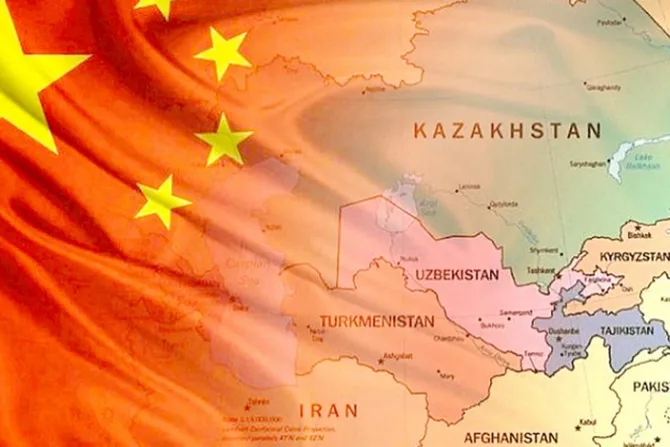
photo: Caspian Post
New business models are powering bilateral trade. Cross-border e-commerce between China and Central Asia maintained rapid growth, while warehousing and logistics infrastructure continued to improve. Cooperation in cross-border payments has also been rolled out more broadly, according to the MOFCOM.
A China-Central Asia trade facilitation cooperation platform was launched in Nanjing, East China's Jiangsu Province, on June 6, 2025, during the second China-Central Asia Summit. The "Silk Road e-commerce" framework is emerging as an efficient bridge for connecting markets on both sides, the ministry said in the statement.
Trade growth has been closely intertwined with deeper investment cooperation. As high-quality Belt and Road cooperation advances, a number of major projects in connectivity, equipment manufacturing, green mining and modern agriculture have moved ahead at a faster pace.
These projects have not only driven China's exports to the region, but also supported industrial upgrading and economic revitalization in Central Asian countries, according to the MOFCOM.
The ministry said that it will fully implement the key outcomes of the China-Central Asia Summit, with a focus on improving the quality and efficiency of economic and trade cooperation. Priorities include optimizing the trade structure, cultivating new business models, and promoting the integrated development of trade and investment.
China will also work to establish higher-level institutional arrangements, further enriching the economic and trade foundations of the China-Central Asia community with a shared future, the official said.