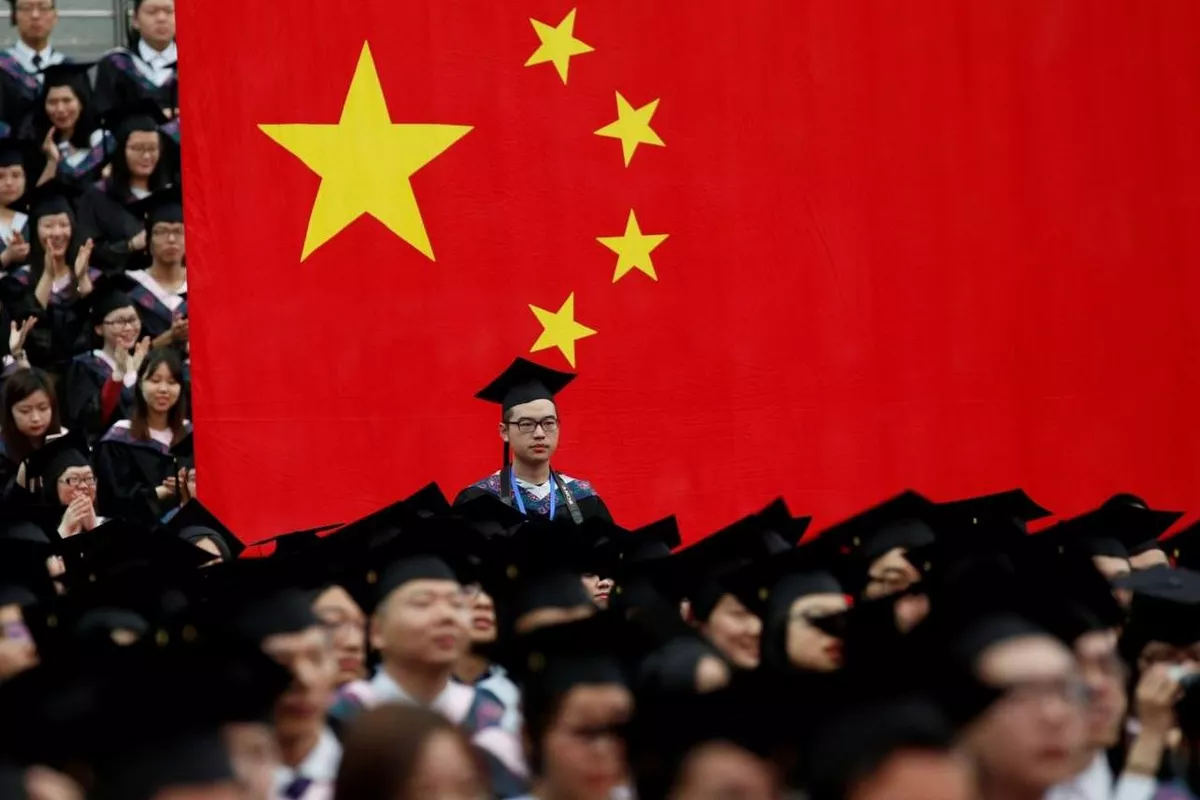
Studying in China is increasingly seen as a pathway to competitive education, mastery of a high-demand language, and integration into a global professional environment. For students in Tajikistan, what was once considered an exotic destination has, over the past decade, turned into one of the most strategic choices for higher education.
Just 10-15 years ago, China was rarely viewed as a serious study destination. Today, the shift is evident: more Tajik school students begin learning Chinese before graduating, and Chinese universities are steadily rising on the list of priority destinations. This growing interest reflects a combination of economic realities, career prospects, affordability, and global change, The Caspian Post reports via Tajik media.
From “Difficult” to In-Demand: The Chinese Language
For years, Chinese was regarded as one of the world’s most difficult languages-complex characters, tonal pronunciation, and unfamiliar grammar discouraged many learners. Today, that very complexity has become a competitive advantage.
Chinese is spoken by more than one billion people worldwide, making it one of the most widely used languages in global communication. Estimates suggest that over 200 million people worldwide are studying Chinese, and it has been incorporated into school curricula in more than 80 countries. Annual international Chinese language competitions, such as the “Chinese Bridge,” attract participants from over 100 countries.

photo: city.ru
Motivations for learning the language have also evolved. While interest once centered on culture or calligraphy, today the reasons are increasingly practical. Proficiency in Chinese opens tangible opportunities in education and employment-particularly in business, international cooperation, and joint projects.
China is the world’s second-largest economic center and a key trading partner for many Central Asian countries, including Tajikistan. Chinese companies are active across energy, construction, logistics, telecommunications, finance, and manufacturing-sectors that face a growing demand for specialists fluent in both the language and Chinese business culture. As a result, Chinese is no longer just an “asset,” but often a gateway to employment.
Education as the Next Step
Language interest naturally leads to interest in education. In recent years, China’s higher education system has made a significant leap forward, with massive investments in research, infrastructure, and international programs. Degrees from Chinese universities are becoming increasingly recognized worldwide.
Institutions such as Tsinghua University, Peking University, Fudan University, Shanghai Jiao Tong University, and Wuhan University consistently rank among the world’s top universities.
What Rankings Reveal
International rankings remain a key reference point for students and parents. The Times Higher Education World University Rankings 2026, covering more than 2,000 universities across 115 countries, place Chinese institutions firmly among global leaders.
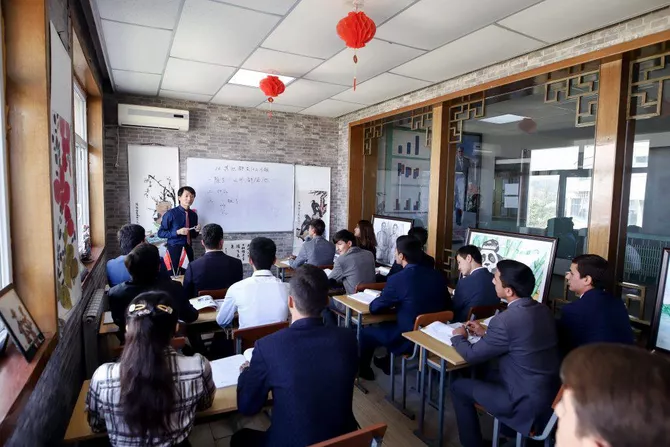
photo: tnu.tj
These rankings assess not only reputation, but also teaching quality, research output, industry collaboration, and international engagement. Tsinghua University, for example, ranked 12th globally-an achievement that would have seemed unattainable a decade ago.
Universities Students Choose
Tsinghua University is often called the “Harvard of the East,” known for excellence in engineering, technology, mathematics, and science, and for strong support of startups and research. More than 60 programs are offered in English, allowing international students to study without full fluency in Chinese.
Peking University is a traditional hub for humanities and social sciences, with strong programs in economics, international relations, and philosophy. Fudan University is renowned for medicine, economics, and humanities, while Shanghai Jiao Tong University is closely linked to real-sector business through engineering and management programs.
A key advantage is the emphasis on practice-internships, research participation, and real-world projects are integral parts of many programs.
Why China Is Accessible for Tajik Students
Affordability is one of the main drivers of popularity. China actively attracts international students through government and university scholarships. The most well-known is the Chinese Government Scholarship (CSC), which covers tuition, accommodation, and provides a monthly stipend.
Additional programs operate under the Belt and Road Initiative, with a focus on Central Asian countries. For many students, this makes studying in China more realistic than options in Europe or the United States.
Graduates of Chinese universities find employment both in China and abroad, including in international corporations, banking, consulting, logistics, and IT.
A Student Success Story: Farrukh Ahmedov
Farrukh Ahmedov is a second-year student at the University of Hong Kong (HKU), majoring in Business Analytics. Hong Kong, as a special administrative region of China, became his entry point into one of Asia’s strongest academic environments.
“I was attracted by HKU’s prestige and recognition. It ranks first in Asia and 11th globally according to the QS World University Rankings 2025,” Farrukh says.
Beyond rankings, he highlights the academic environment and competition. “World-class scholars teach here, including Nobel Prize laureates. That sets a very high bar,” he notes. English-language instruction makes the transition easier for international students, while the broader rise of Chinese universities reflects a systemic approach.
“High competition, demanding professors, and well-structured programs are the foundation of quality. In China, serious education is essential for success,” he adds. Farrukh also points out that many students from CIS countries secure internships with global companies such as JPMorgan and EY during their studies.
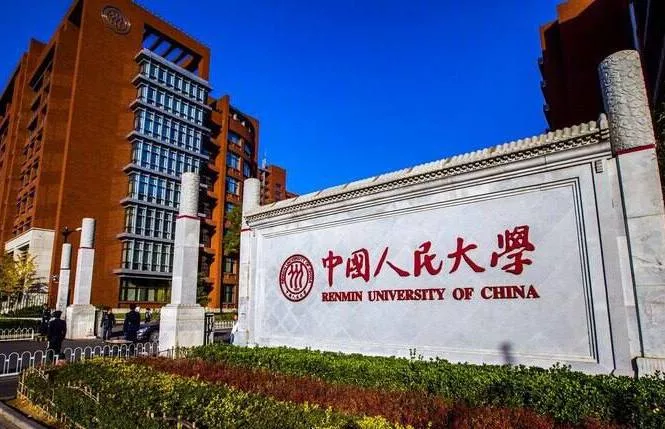
photo: studycn.ru
The Perspective of a Future Student
Aziz Ashurov, a 17-year-old high school student, is already preparing to apply to universities in China. He has been studying Chinese for a year and a half and admits it is challenging-but increasingly engaging.
Aziz studies at the Confucius Institute at the National University, which also operates a branch at the National Library. “The atmosphere feels like China, and all the teachers are from China,” he says, noting that this allows him to learn not only the language but also the culture through direct interaction.
Asked why he chose China, Aziz points to advice from relatives and China’s growing global role. He is particularly interested in finance and believes Chinese could one day become a global language. For him, China represents both career opportunities and long-term prospects.
Why the Trend Will Only Grow
For young people in Tajikistan, China offers a rare combination: competitive education, a high-demand language, and access to the global professional arena. That is why more students are starting this journey early-through language, cultural understanding, and a deliberate choice of future.