US Consolidates Engagement with Azerbaijan, Armenia in Vance's Historic Visit to South Caucasus
The United States is signaling a renewed push in the South Caucasus as it deepens engagement with both Azerbaijan and Armenia during Vice President J.D. Vance’s landmark regional visit. In an article published by Euronews, Nadira Tudor examines how the high-level trip underscores Washington’s effort to balance diplomacy between Baku and Yerevan while reinforcing its strategic footprint in a region shaped by energy routes, security tensions, and competing global influences.
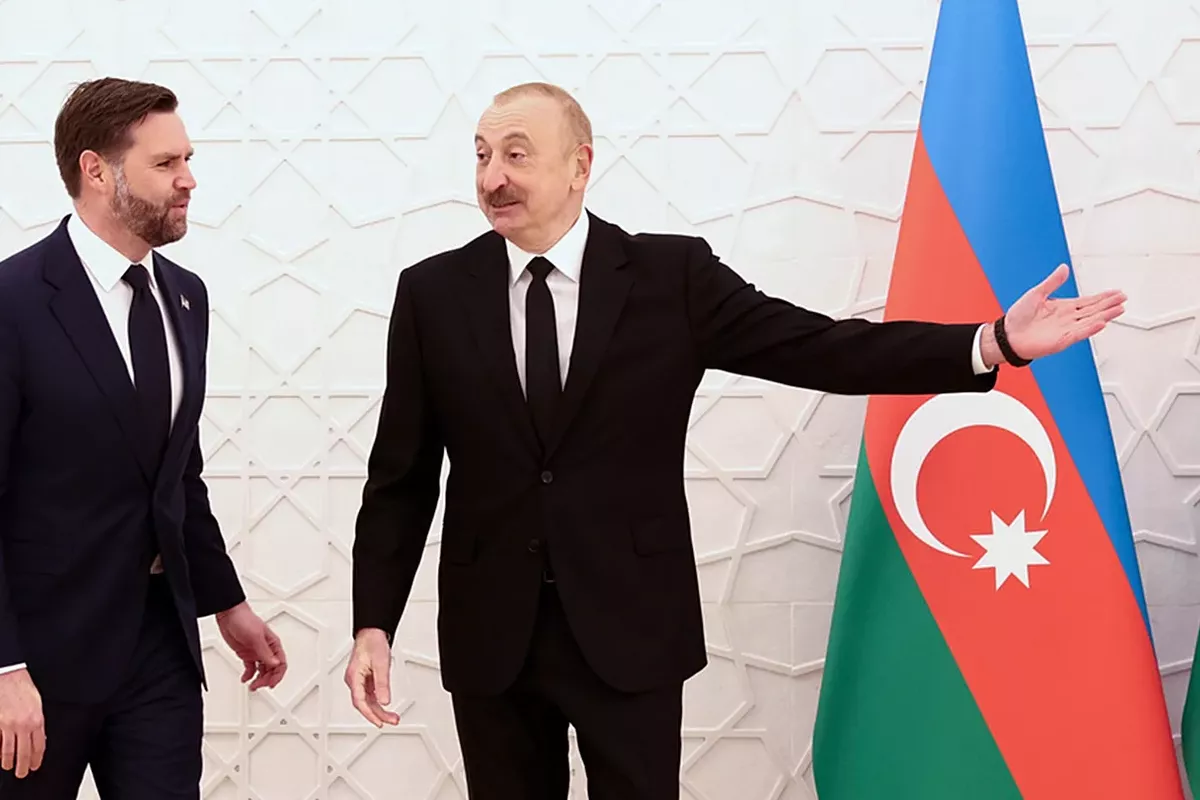
US Vice President JD Vance arrived in Azerbaijan on February 10 to sign a complex strategic partnership with Azerbaijan President Ilham Aliyev, the day after visiting Armenia on a historic trip set to reinforce the US engagement with the two former foes after their US-brokered peace process, The Caspian Post republishes the article.
US Vice President JD Vance signed a strategic partnership with Azerbaijan’s President Ilham Aliyev in Baku on February 10 during a historic visit to the South Caucasus as Washington consolidates its engagement with Armenia and Azerbaijan following their historic peace deal after decades of conflict.
The strategic partnership focuses on economic, security, energy and technology cooperations in what Aliyev called “an absolutely new phase” between Azerbaijan and the US, while Vance said it is time “to 'create prosperity where once there was only fighting and conflict”.
“Azerbaijan today provides energy security with its natural gas resources to 16 countries, 11 of them are NATO members, allies of the United States,” Aliyev said.
Vance announced plans to send Azerbaijan new patrol boats to help protect its territorial waters. He also pointed to expanded cooperation on critical minerals as a key area through the Middle Corridor transit systems.
But the main thrust of the cooperation is connectivity through transport and logistics by developing the major transit corridor dubbed the Trump Route for International Peace and Prosperity (TRIPP) which was agreed by Armenia and Azerbaijan in their peace deal brokered by the US last August, integrating the two countries into a new east-west trade route to strengthen wider Eurasian trade routes.
TRIPP is a road-and-rail transport corridor set to connect Azerbaijan and its autonomous Nakhchivan exclave, cut off from the mainland by Armenian territory, while integrating the region into a wider east-west trade route connecting Central Asia and the Caspian basin to Europe.
TRIPP will enable the development of land, maritime and air transport infrastructure, trade facilitation, customs procedures and multimodal logistics systems to provide regional stability through enhanced economic cooperation between Azerbaijan and Armenia with the US.
Aliyev said that the TRIPP project “will be another contribution to peace, development and cooperation in the region.”
The partnership also calls for security cooperation for regional stability in the South Caucasus, a region where Russia used to be the main power broker.
The partnership includes joint developments of artificial intelligence and digital infrastructure projects.
Having visited Armenia before Azerbaijan, Vance commended the leaderships of the two former rival countries who fought two wars over the Karabakh region in decades of conflict, adding that their continued cooperation within the ongoing historic peace process will ensure long-term stability in the South Caucasus.
In Armenia, a country that no sitting US vice president or president has visited before, Vance said that “peace is not made by people who are too focused on the past. Peace is made by people who are focused on the future.”
Vance and Armenian Prime Minister Nikol Pashinyan signed an agreement to advance negotiations on a civil nuclear energy deal, and Vance said the US was ready to export advanced computer chips and surveillance drones to Armenia and to invest in the country’s infrastructure.