Azerbaijan to Build Baku Tram System
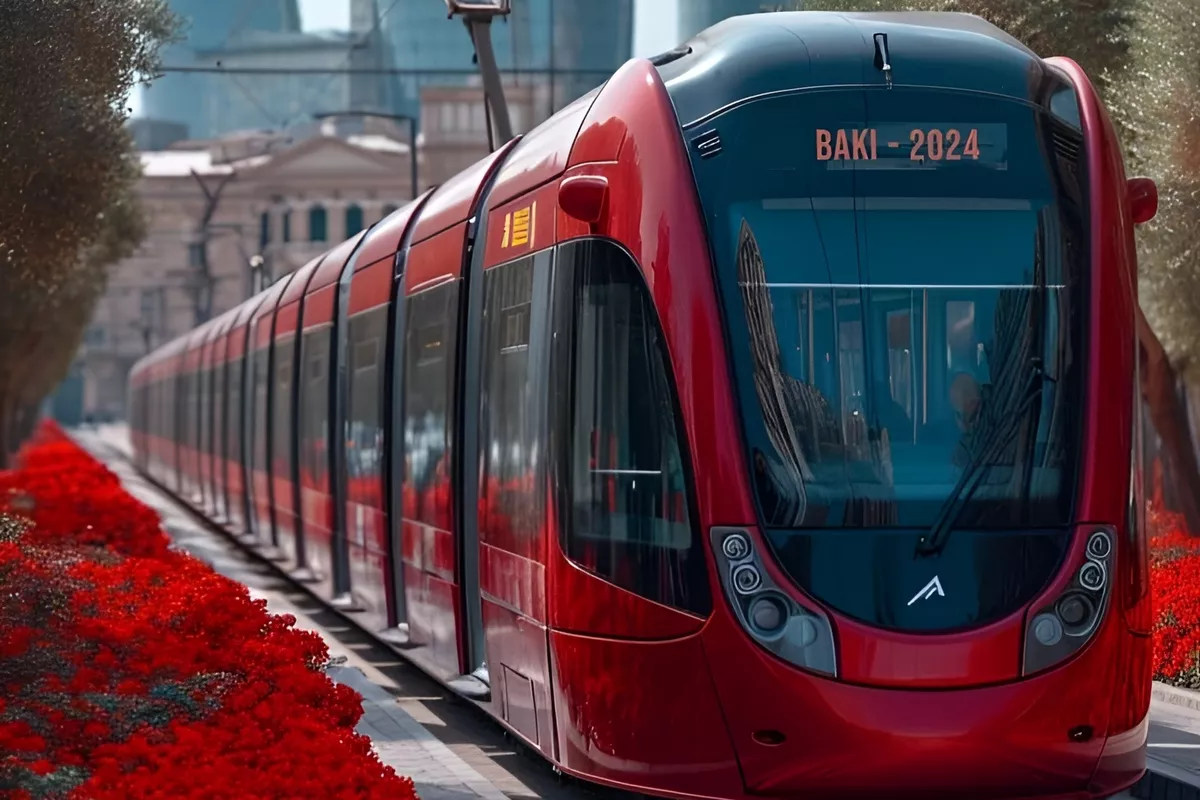
Azerbaijan is set to modernize urban transport in its capital with plans to build a new tram system in Baku, aiming to improve mobility and reduce traffic congestion. The announcement was detailed in an article by David O’Byrne, published on Eurasianet, highlighting the government’s push to expand sustainable transport infrastructure and integrate modern technologies into the city’s public transit network.
Baku enjoys the unwanted distinction of having some of the worst traffic congestion of any major city in Eurasia, The Caspian Post republishes the article.
Now Azerbaijani authorities are finally taking steps to address the issue, announcing an intent to develop a tram system to combat gridlock and make it easier for commuters from outlying districts of Baku to get to the city center using mass transit. According to Azerbaijani Deputy Minister of Digital Development and Transport Rahman Hummatov, authorities envision the construction of five tram lines as part of a broader state program, titled “On Improving Transport Infrastructure in Baku and Surrounding Areas for 2025-2030.”
Hummatov said authorities will engage a globally recognized design firm to plan the routes and other technical details concerning the new tram lines. A construction contract will then be awarded via an open tender process, hopefully by the end of 2026, he added. “There are several leading companies worldwide that build this type of infrastructure - including companies from China, Europe, and other countries,” Hummatov said.
“The goal is to select the most suitable proposal for us through a transparent tender once a fully detailed project is prepared, “ he added, explaining that the new tram network will be fully integrated with Baku’s existing rail, metro and bus networks.
According to Hummatov, preparation work has already been completed for the first line which will run from the northern outskirts of the city to the May 28 metro station in central Baku. That station is envisioned as part of a new transport hub.
Construction of all five tram lines is projected to be completed by 2030. In addition to creating the tram network, authorities will upgrade suburban railways connecting Baku with locations on the Absheron Peninsula, including Khirdalan, Pirshagi and Sumgayit, as well as build a new highway tracing the same route.
Anar Rzayev, the head of Azerbaijan’s Land Transport Agency, said Azerbaijan Railways plans to purchase 20 new passenger train sets by 2030 to enable expanded service.
Once the infrastructure projects are completed, the hope is that Baku’s smog problem will ease.
Baku has battled an air pollution challenge for years, driven in large part by the increase in auto traffic in the city over past decades. According to a Swiss-based entity, IQAir, which monitors air quality around the world, there are just under 550,000 registered vehicles in Baku. Compounding pollution challenges in the city, a significant number of autos are second-hand and produce excessive harmful emissions.
“Many of the cars that are imported no longer meet the emission standards from their country of origin, therefore they cannot be sold there,” an IQAir summary of conditions in Baku states. “However, in countries such as Azerbaijan, the emission regulations are not as strict so make an ideal market for these surplus vehicles.”
A daily update produced by IQAir ranked Baku as the 89th most polluted metropolitan area in the world as of February 19. Other air quality monitors list Baku’s smog level as poor to unhealthy.