Photo credit: Mangistau region's administration
Central Asia is preparing to roll out an ambitious region-wide climate project aimed at protecting one of its most fragile and vital resources - soil.
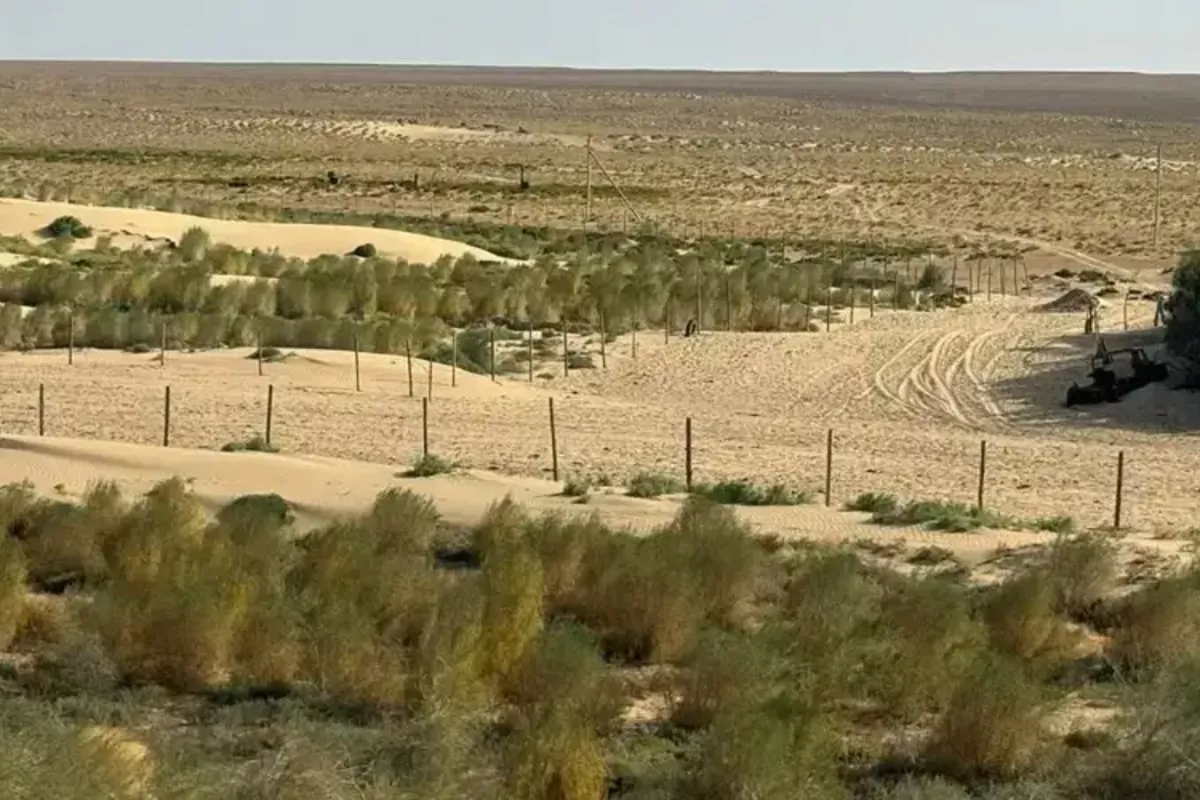
Countries across the region are expected to join forces as early as next year to tackle worsening land degradation, desertification, and biodiversity loss, issues that are increasingly putting agriculture and food security at risk, The Caspian Post reports via Kazinform.
The initiative, developed in partnership with the German Agency for International Cooperation (GIZ), will rely on advanced scientific data, analytics, and artificial intelligence to better predict and respond to environmental changes. The goal is clear: shift from reactive measures to proactive land management.
At the heart of the project is a push for sustainable land use, combining global best practices with region-specific solutions tailored to Central Asia’s unique climate challenges.
An application has already been submitted to the Green Climate Fund, a key global financing body supporting climate resilience projects in developing regions. If approved, the program could launch in early 2027.
The urgency is hard to ignore. Countries like Kazakhstan, Uzbekistan, and Turkmenistan are already grappling with severe soil degradation and salinization - trends that are steadily eroding agricultural productivity.
Few places illustrate the crisis more starkly than the Aral Sea, where decades of mismanaged water use have left a lasting ecological scar, underscoring the need for coordinated regional action.
Experts say the success of the project will depend not just on planning, but on execution. Turning strategies into real-world impact across borders will be the defining challenge - and opportunity - for Central Asia’s next major climate effort.
Share on social media