Cybersecurity reforms underway in Azerbaijan are designed to strengthen the security of the country's rapidly expanding digital services and enhance its overall cyber resilience. The new governance model, the establishment of the National Cybersecurity Agency, the adoption of artificial intelligence technologies, and the transition to the Government Cloud (G-Cloud) platform are expected to improve the country's ability to respond swiftly to cyberattacks, provide stronger protection for citizens' personal data, and increase public trust in digital services.
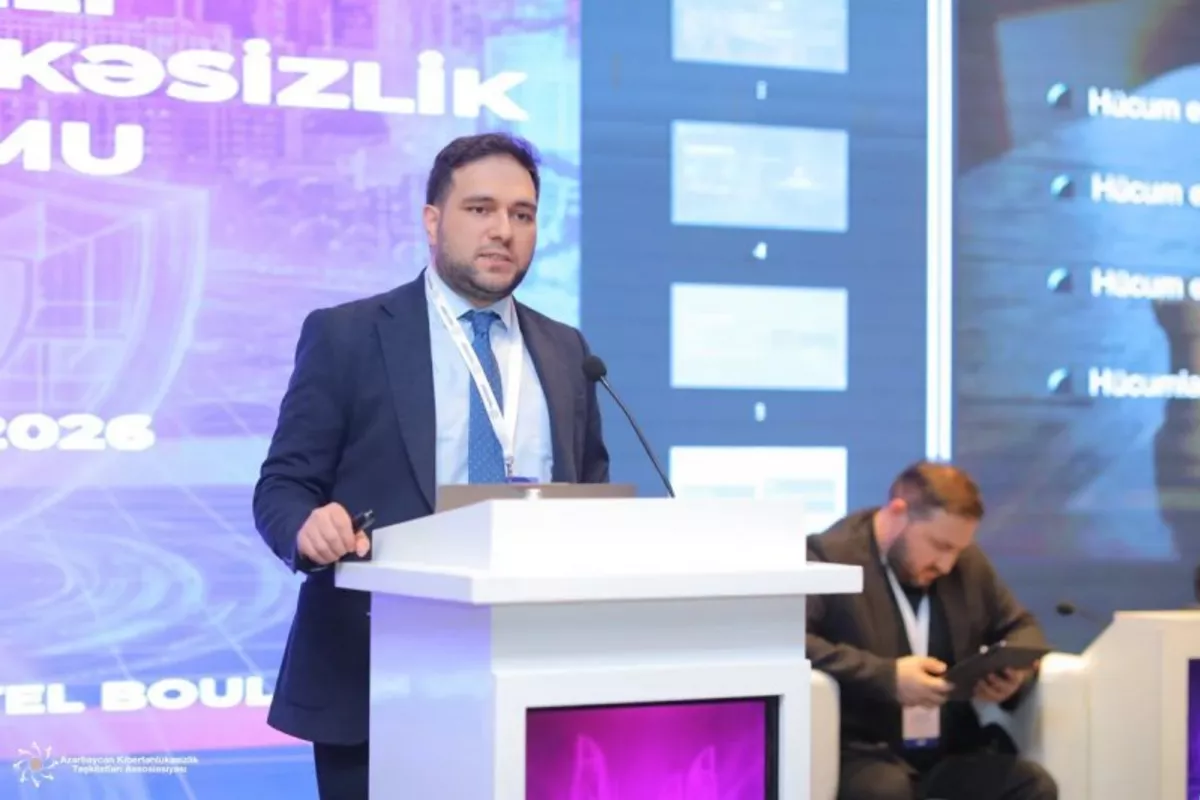
To explore these issues in greater depth, The Caspian Post spoke with cybersecurity expert Kamran Karimli about the ongoing reforms in Azerbaijan, the evolving cyber threat landscape, and the future of the country's digital security.
- Mr Karimli, why did Azerbaijan need these new cybersecurity reforms, and how will they affect the daily lives of ordinary citizens?
- Over the past few years, banking, public services, education, healthcare, and everyday payment systems have undergone rapid digital transformation, making online platforms an integral part of people's daily lives.
At the same time, however, cyber fraud, phishing attacks, identity theft, and unauthorised access to personal data have become increasingly common and sophisticated.

Source: AI
The primary objective of these reforms is to strengthen the protection of both government information systems and citizens' personal data by establishing a more resilient and coordinated cybersecurity framework. As a result, digital services will become more secure and reliable, cyber threats will be detected and addressed more quickly and effectively, and public confidence in online government services will continue to grow.
- How will the establishment of the National Cybersecurity Agency, the new governance model, and the protection of critical information infrastructure work in practice? How will this system better protect the country from cyberattacks?
- The National Cybersecurity Agency will serve as the central coordinating body responsible for overseeing, managing, and coordinating cybersecurity activities across the country. It will promote closer cooperation among government institutions, operators of critical infrastructure, and other relevant stakeholders. Under the new framework, security requirements for critical information infrastructure and other essential systems will be significantly strengthened, cyber risks will be continuously monitored using modern threat detection mechanisms, and cybersecurity incidents will be identified, analysed, and addressed in a more coordinated, efficient, and timely manner.

Source: AI
The Agency will also play a key role in improving preparedness, strengthening incident response capabilities, and supporting the implementation of unified cybersecurity standards across different sectors. This comprehensive approach will enable authorities to detect potential attacks at an early stage, minimise their impact before they escalate into large-scale disruptions, strengthen the resilience of the country's digital infrastructure, protect strategically important information systems, and ensure the uninterrupted operation of essential public services and other critical state systems.
- What are the most common cyber threats worldwide today? Which risks are most relevant for Azerbaijan, and how effective will the new measures be in addressing them?
- The most common cyber threats worldwide today include phishing attacks, bank card fraud, personal data theft, ransomware, malware infections, and the hijacking of social media and other online accounts. These risks are equally relevant for Azerbaijan as digital services become more widely used by citizens, businesses, and public institutions.
In addition, cyberattacks targeting government institutions, financial systems, and critical infrastructure, including the energy, telecommunications, and transport sectors, pose an increasingly serious security challenge.

photo: ITButler
Although no cybersecurity framework can eliminate these risks entirely, the new measures will significantly strengthen the country's ability to prevent, detect, and respond to cyber incidents. They will improve early threat detection, enable faster and more coordinated responses, reduce the potential impact of cyberattacks, enhance the protection of sensitive information, and further strengthen Azerbaijan's overall cyber resilience and national cyber defence capabilities.
- What simple but essential steps should citizens take to protect themselves from cyber fraud while using the internet, mobile banking, and electronic government services?
- First and foremost, people should avoid clicking on unknown links and should never share SMS verification codes or bank card details with anyone. Every online account should have a unique, strong password, and two-factor authentication should always be enabled. Mobile applications should only be downloaded from official app stores, while phones and computers should be kept up to date with the latest software. If a message or phone call appears suspicious, citizens should verify its authenticity by contacting the relevant official institution before providing any personal information.
- What advantages will the use of artificial intelligence in cybersecurity and the transition to the Government Cloud (G-Cloud) platform bring? How could these technologies transform Azerbaijan's digital security system in the future?

Source: AI
- Artificial intelligence makes it possible to detect cyber threats more quickly, automatically identify suspicious activity, and respond to incidents in real time. The Government Cloud, meanwhile, enables government information systems to be managed more securely under a unified set of standards.
Together, these technologies will strengthen the resilience of public services, optimise cybersecurity costs, and make a significant contribution to creating a more modern, flexible, and reliable digital security environment for Azerbaijan in the years ahead.