Ships Hunt Far and Wide for Fuel After Iran War Hits Supplies
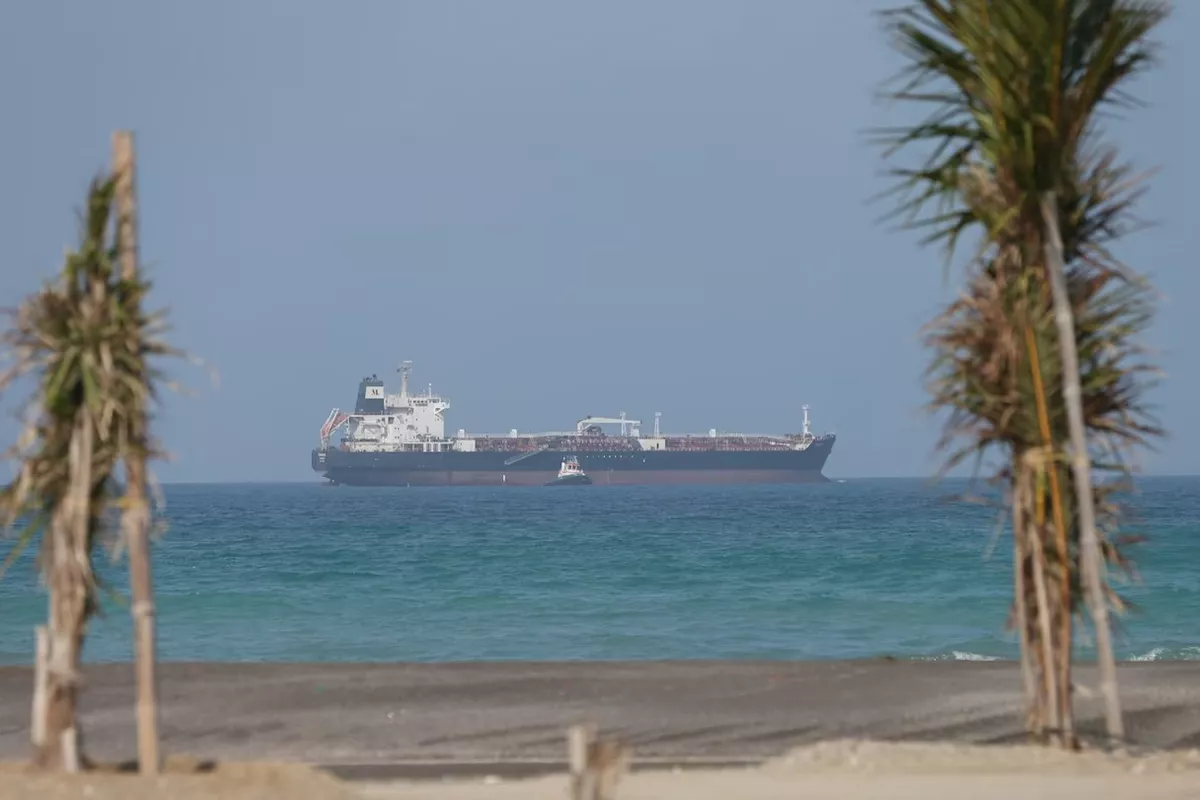
Ships have been forced to wait for almost two weeks or sail hundreds of extra miles to source fuel as shortages caused by the Middle East crisis have disrupted established energy supply routes.
Semiramis Paliou, chief executive of Diana Shipping, one of the world’s largest listed dry bulk shipping companies, said it had diverted vessels from Japan to Korea at least twice in recent weeks to find fuel, The Caspian Post reports via FT.
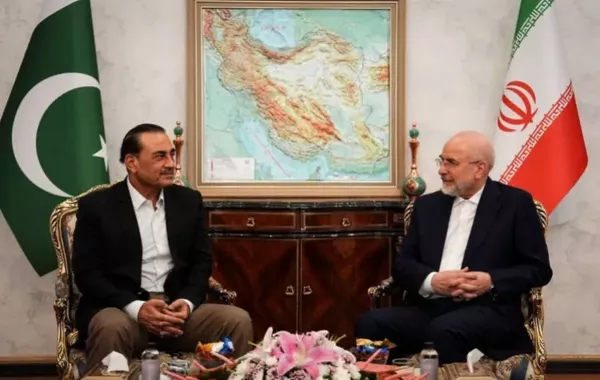
“Our charterers are not always able to find the quantities [of fuel] that they are looking for or at the ports that the ships would be sailing to,” she said. Her comments were echoed by Costas Delaportas, chief executive of DryDel Shipping, as industry leaders have warned of continued disruption even after Iran and the US clinched a peace deal that President Donald Trump said would secure a safe passage through the Strait of Hormuz.
Athens-headquartered DryDel Shipping’s vessels were being made to wait between 10 and 12 days to refuel in Singapore or Fujairah - two major ports for the bunker fuel used to power ships - instead of two to three days, Delaportas said. “We had to deviate to find a bunkering port - east India to Singapore because we were not sure we could find enough fuel,” he told the FT. He added that securing lubricant for engines was also becoming an issue with his company’s ships, with some receiving 60 per cent of what they ordered. The search for fuel underlines the turmoil the US and Israeli war against Iran has caused across supply chains and shipping routes, increasing costs for bulk carriers, which transport raw materials from iron ore to grain that are crucial to the global economy.
While the conflict has pushed freight rates for tankers, which typically carry crude oil and refined products, to record highs, it has hit other shipowners with higher costs, including for fuel and airfares for moving replacement crew to ships around the world. Despite the weekend’s deal, executives expect the crisis to impact the industry for several months as ships exit the Gulf and supply chains are re-established. Fujairah, on the coast of the Gulf of Oman near to the mouth of the Strait of Hormuz, was the world’s third largest port for ship refuelling prior to the crisis. It is now facing a shortage of very low sulphur fuel oil (VLSFO), a common bunker fuel, after the conflict cut imports of feedstock and supply from Kuwait’s al-Zour refinery, according to pricing agency Argus. “Most major bunker suppliers in Fujairah have completely pulled out of the market for the first half of June,” said Siew Hua Seah, head of marine fuels pricing at Argus.
Prices of shipping fuel at Fujairah surged to a record-high $1,495 per tonne on June 3, a $714 premium compared with Singapore, the world’s biggest bunkering port. The cost of bunker in Singapore is more than 40 per cent up on the same week last year, even as prices generally eased on Monday (June 15) after the Iran-US agreement. Paliou said that “as a consequence of the high prices we’ve had a number of occasions where the fuel quality supplied to our ships is not good”. Low-quality fuel can damage ship engines and crews conduct tests before using it. If the fuel is not up to standard, the vessels are forced to “debunker” by offloading it at the nearest port and replacing it with better-grade supply. Delaportas said DryDel’s ships had been forced to offload fuel “very regularly” in recent weeks.