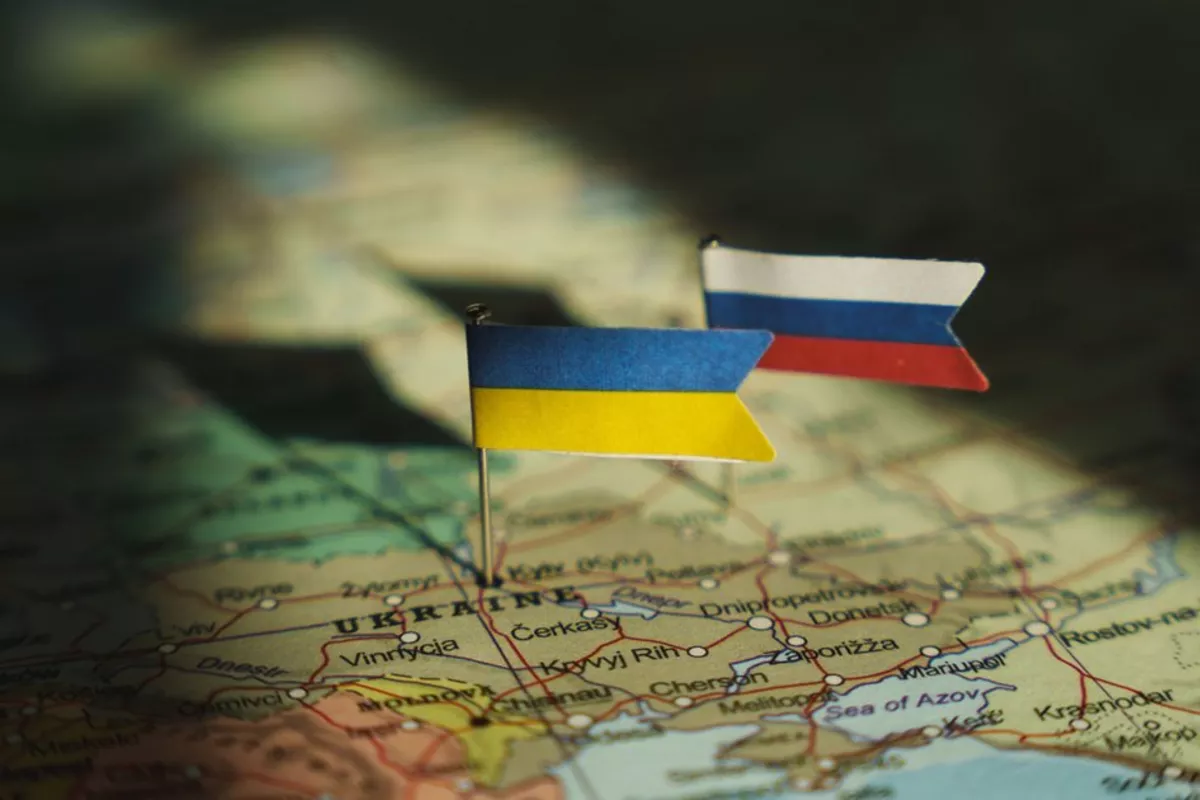
The current situation on the front line is highly atypical for a winter campaign. In previous years, winter usually meant a slowdown in hostilities. If fighting did not stop altogether, it tended to shift into a predominantly defensive mode.
This winter, however, that pattern has clearly been broken. Instead of conserving forces, Russia has chosen to escalate pressure. The Russian army is carrying out a political task, which explains why pressure has intensified almost simultaneously across multiple sectors.
This escalation is not limited to the Zaporizhzhia sector or the Donbas. Active pressure is also being applied along the Sumy and Kharkiv sectors. The logic behind this approach is straightforward: to stretch Ukrainian forces as thin as possible, force Kyiv to respond along an extended front line, and extract a result - not necessarily a decisive military breakthrough, but a political one.
Reuters
That political result is crucial in the context of negotiations. Moscow is attempting to create the impression of sustained offensive momentum and to send a clear signal to external actors, above all to Donald Trump. The message Russia seeks to convey is simple: the Russian army is advancing, and if a peace agreement is not reached now, within two or three months Russia could take control of the remaining parts of Donbas that are currently under discussion. This narrative is designed not only for Kyiv but also for Washington.
The fighting continues, but it would be accurate to say that Russian generals are, in effect, fighting on credit. It is increasingly clear that Russian society is far less willing than before to fight in large numbers for money. Many now understand that participation in the war often amounts to a one-way ticket. This growing awareness places structural limits on Russia’s manpower strategy. As a result, Russia’s spring-summer campaign can only be sustained either through partial mobilization or through a form of concealed, unofficial mobilization that avoids openly acknowledging the scale of the problem.
Western military assistance to Ukraine, meanwhile, is playing a more limited role than during the first phase of the full-scale invasion. In the initial years of the war, Western allies transferred a significant portion of their available stockpiles. Today, most assistance comes from the United States and Europe under contracts signed earlier. In practical terms, this means weapons that are still being produced rather than systems that can be delivered immediately.
For the Ukrainian armed forces, supplies from the United States remain absolutely critical. This applies above all to air defense missiles, including Patriot interceptors, as well as missiles for European air defense systems. The central problem is that these weapons are not sitting idle in warehouses - they are being manufactured, and the production cycle takes months. As a result, even when political decisions are made, the required volumes cannot be delivered right away. Overall, both military capabilities and external military assistance are extremely constrained at this stage.
Ammunition production has also not yet reached the scale required to decisively alter the situation. Initiatives such as Czech-led procurement schemes are important, but they largely rely on purchases from countries such as India, Pakistan, and others outside the European Union. This underscores a broader structural issue: Europe’s defense-industrial base is still struggling to adapt to the demands of a prolonged, high-intensity war.
Looking ahead, there is little reason to believe that Russia is currently interested in negotiations. Moscow holds the strategic initiative and retains the ability to advance, even if progress is measured in dozens or hundreds of meters per week rather than dramatic breakthroughs. From Russia’s perspective, this is sufficient to maintain pressure and shape the political environment.
At the same time, Russia is deliberately avoiding the launch of a full-scale offensive operation right now. It lacks the necessary reserves and capabilities for such an effort, and the weather remains a significant constraint. Despite ongoing fighting, current conditions are poorly suited for a large, rapid advance. Historically, spring in Donbas brings serious logistical challenges: field roads turn to mud, supply lines slow down, and heavy equipment becomes harder to move. For this reason, Moscow is likely to wait until summer, when vegetation provides cover and warmer weather improves mobility.
Ukraine, for its part, increasingly looks toward negotiations - not out of political weakness but because its capacity for prolonged defense is under growing strain. Demographic limitations are becoming more pronounced. Ukraine is a relatively small country with a limited population base, and the cumulative effects of mobilization and casualties are difficult to ignore. Combined with widespread war fatigue, these factors are shaping Kyiv’s strategic calculations.
Reuters
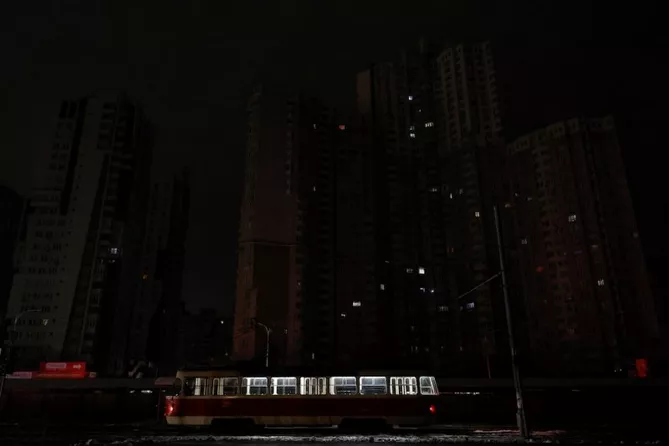
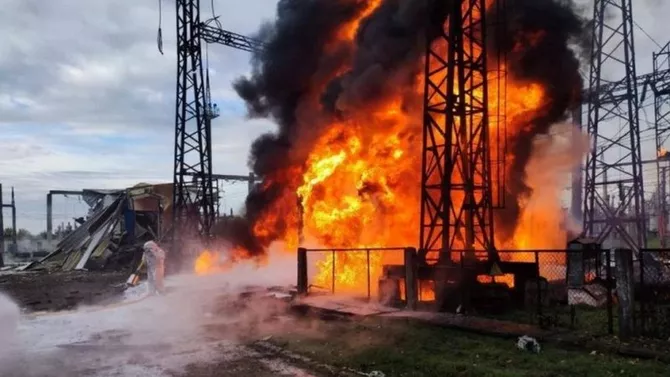
Russian strikes on Ukraine’s energy infrastructure add another layer of pressure. These attacks are particularly damaging to the rear and civilian resilience, creating additional strain on the state and society. Yet despite these challenges, Ukrainian society remains unwilling to accept capitulation. Public sentiment continues to favor resistance, even as the costs of war mount.
Russia, meanwhile, places considerable hope in potential arrangements with Donald Trump. In Moscow, there is a belief that negotiations mediated or influenced by Trump could allow Russia to secure control over parts of Donbas that it does not currently hold, thereby avoiding brutal urban warfare in cities such as Slovyansk, Kramatorsk, and Kostyantynivka.
The overall situation remains extremely tense. What is especially unclear is how Donald Trump intends to pressure both Russia and Ukraine toward peace in the near future. It is evident that he faces a limited window of opportunity - roughly until summer. After that, domestic political dynamics in the United States and the approach of elections will inevitably begin to dominate Washington’s agenda, reducing the political bandwidth available for sustained efforts toward a negotiated settlement.