Saudi Arabia vs UAE: Is Riyadh Becoming Russia’s New Gulf Partner?
“The East is a delicate matter.” A line from the Soviet classic White Sun of the Desert, and one that still perfectly captures the Persian Gulf- a region built on subtlety, ambition, and shifting power dynamics. For years, Russians viewed the Middle East primarily through the lens of the UAE. Dubai symbolized beaches, comfort, investment-friendly laws, and a smooth lifestyle. First came tourism, then real estate purchases, followed by businesses catering to Russian residents and visitors. The Emirates became familiar, even habitual.
But the geopolitical landscape has shifted. Sanctions, compliance pressures, and reputational risks have made working with Russian clients in the UAE more complicated. Not because the country has turned hostile, but because it must balance relations with the West. The environment for Russians remains attractive, yet clearly less frictionless than before. This naturally raises the question: if not only the UAE, then where next?
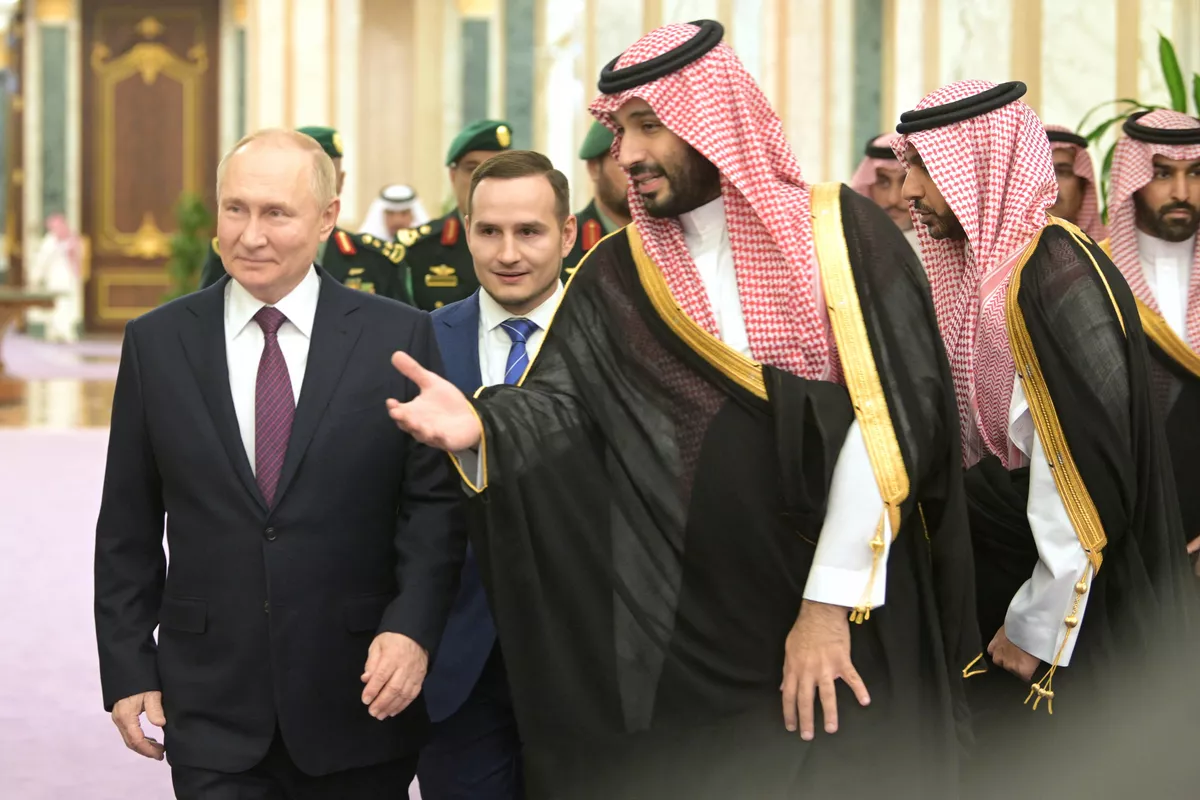
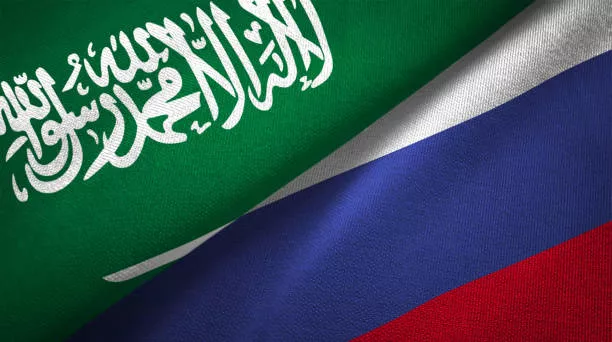
Saudi Arabia stands out as the most compelling answer. A large, wealthy, and rapidly reforming state, it is positioning itself as a future global hub. The Russia-Saudi dialogue has long been rooted in oil cooperation and OPEC+, where both sides rely on coordination rather than competition. Political communication between Moscow and Riyadh appears stable and pragmatic. The Saudi ambassador to Russia, Sami bin Mohammed Abdullah Alsadhan, recently said that “personal contacts between the leaders of our states form a solid foundation for cooperation,” and the facts support this. Putin visited Riyadh in 2007, 2019, and 2023, while King Salman made a historic trip to Moscow in 2017. Few foreign capitals have hosted such frequent top-level contact.
Credit: Getty Images/iStockphoto
What is changing now is not only diplomacy, but also the movement of people, capital, and ideas. In October 2025, Saudia Airlines launched direct Riyadh-Moscow flights, followed by Flynas opening a Jeddah-Moscow route in December. Daily flights are expected in 2026, along with new routes from St. Petersburg and Sochi. The real turning point is the introduction of mutual visa-free travel for 90 days starting January 2026 - a clear signal encouraging tourism, business visits, and economic exchange. Riyadh expects over 200,000 Saudi tourists in Russia next year, with plans to reach 2 million annually by 2030. In 2024, the number of Saudi visitors to Russia already increased fivefold. Russian interest in the Kingdom is also growing.
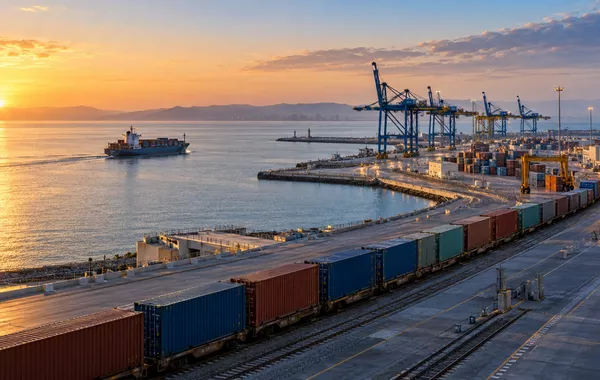
Beyond tourism, the economic track is widening. In 2024, the two states recognized each other’s degrees and academic qualifications. The Saudi sovereign wealth fund has already invested in 40 projects in Russia, 12 of which were developed from scratch, including the Rostec City technopark and Bagration Avenue, a major new road parallel to Kutuzovsky Prospekt in Moscow. Bilateral trade doubled over five years and grew by 85% in 2024 alone. Russia exported 4.49 million tons of grain to the Kingdom that year; agricultural exports rose 24%. Shipments of beef, poultry, sunflower, and rapeseed oil increased significantly, with poultry exports up 1.8 times in early 2025. Total trade has surpassed $1 billion.
Yet compared to the scale of Saudi-US trade - $25.9 billion in 2024, with plans to reach $600 billion within four years - Russia’s presence remains modest. This does not make cooperation meaningless; rather, it underscores how early Russia is in this market. Potential exists, but realizing it will require a long-term strategy rather than episodic enthusiasm.
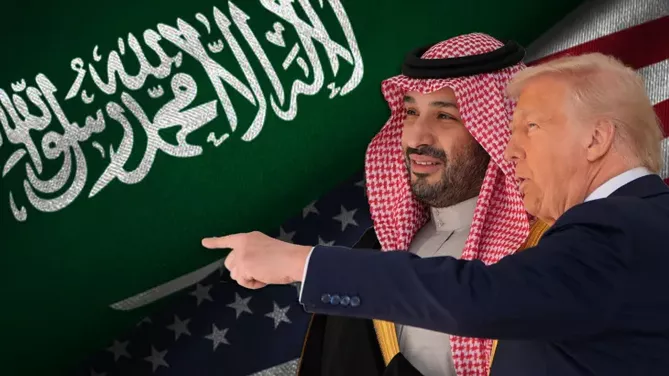
Photo credit: Al Jazeera
It is also important to note something many observers overlook: Saudi Arabia is not the UAE. It is more traditional, more conservative, and strictly follows Islamic norms. Alcohol is entirely prohibited. Dress codes matter. Social etiquette is not decorative - it is structural. Anyone entering this market must adapt or fail.
Business advisers already outline basic rules for Russians planning to work with Saudi partners: an intermediary is not necessary but extremely helpful; conversations traditionally begin with personal small talk before business; clothing should be modest; punctuality is expected even if partners may arrive late; negotiation teams should remain constant because Saudis trust people, not changing faces; women may participate in meetings but usually not as lead negotiators; exchanging items with the left hand is inappropriate. These details may seem small, but in the Gulf, such details decide deals.
My view is straightforward. Russia has an opening in Saudi Arabia - not guaranteed, not simple, but real. The UAE was stage one: accessible and comfortable. The Kingdom is stage two: more complex, more rule-driven, but potentially far more valuable. Success here will not come from enthusiasm alone. It requires cultural literacy, patience, institutional presence, investment in understanding local norms, and readiness to engage seriously. Saudi Arabia is no longer a closed desert kingdom, but an emerging power with Vision 2030 ambitions and global capital. The question is whether Russia is willing to build something deeper than tourism and agriculture, and whether it can commit to the slow work that partnership demands.
The Gulf rewards patience. It rewards respect. It rewards those who study its rules rather than trying to bend them. If Russia treats Saudi Arabia not as a stopover but as a key strategic direction, the coming decade could fundamentally reshape the relationship. But the window will not stay open forever. The decision must be made now - whether Russia wants to be a passing visitor, or a long-term player on a new Middle Eastern frontier.