What Does the Tajikistan-Uzbekistan Finance Cooperation Plan Mean?
Tajikistan and Uzbekistan have signed a cooperation plan for 2026-2027 aimed at strengthening collaboration in public finance, economic policy, and investment. The agreement is part of broader efforts by the two Central Asian neighbors to deepen economic integration and improve coordination between their governments.
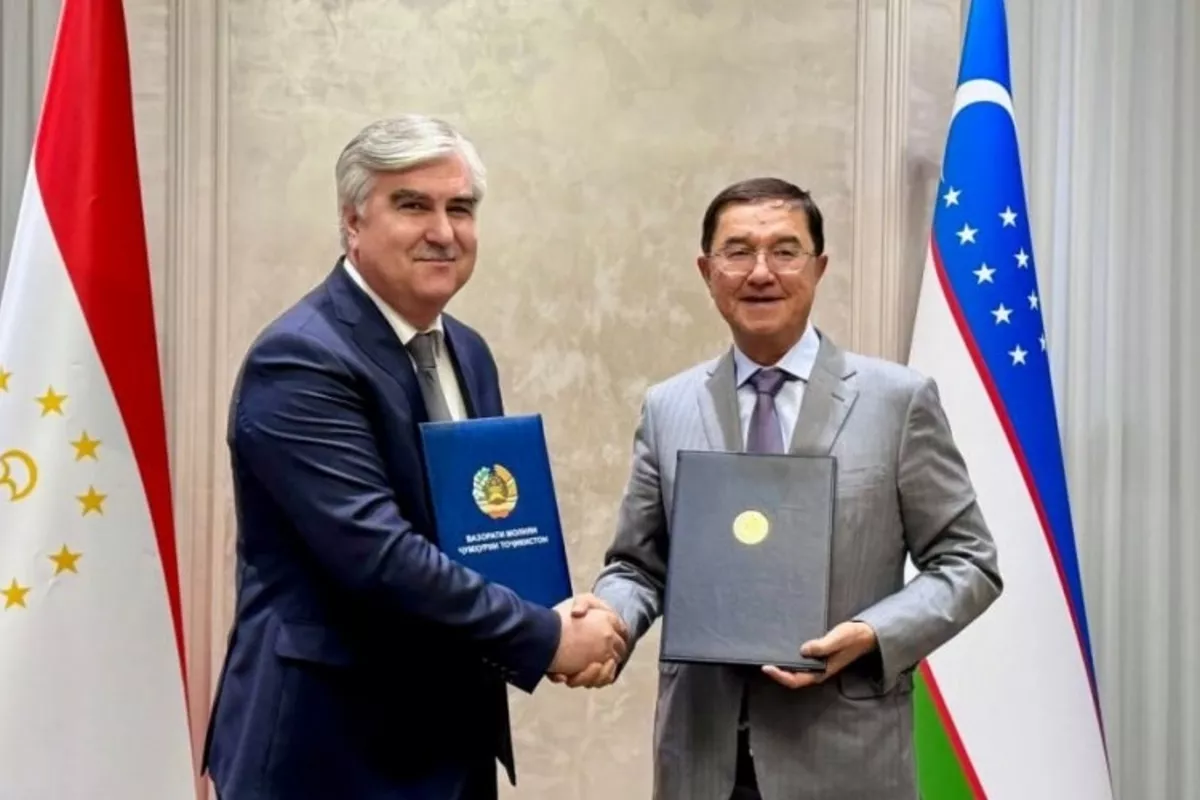
According to Tajikistan's Finance Ministry, the document was signed on June 30 in Tashkent by Tajikistan's Finance Minister Fayziddin Kahhorzoda and Uzbekistan's Deputy Prime Minister and Minister of Economy and Finance Jamshid Kuchkarov.
Why is this Agreement Important?
The cooperation plan establishes a framework for the two countries to work together over the next two years on financial and economic issues. Rather than being a single investment project, it is intended to guide cooperation between government institutions responsible for managing public finances and developing economic policy.
Such agreements can help improve coordination on fiscal reforms, facilitate the exchange of expertise, strengthen public financial management, and create conditions that encourage trade and investment between the two countries.
What Sectors Will the Cooperation Focus on?
The roadmap focuses on several key areas, including:
- Public finance management.
- Economic policy coordination.
- Investment cooperation.
- Trade and broader economic collaboration.
- Institutional cooperation between the finance ministries.
Officials also reviewed existing bilateral cooperation in finance, trade, investment, and the wider economy, while discussing additional measures to strengthen coordination in the coming years.
What did the Ministers Discuss During Their Meeting?
During the talks in Tashkent, both delegations assessed the current state of economic relations between Tajikistan and Uzbekistan.
The discussions focused on identifying opportunities to expand cooperation, improve communication between the finance ministries, and support future joint initiatives in areas related to fiscal policy and economic development.
The meeting also served as an opportunity to review progress made under previous bilateral initiatives and explore new areas for collaboration.
What Information did Tajikistan present?
Finance Minister Fayziddin Kahhorzoda briefed the Uzbek delegation on Tajikistan's latest macroeconomic indicators, providing an overview of the country's recent economic performance.
He also presented updates on Tajikistan's ongoing public financial management reforms. These reforms are designed to improve how government finances are planned, managed, monitored, and reported, with the aim of increasing efficiency and strengthening fiscal governance.
What is Public Financial Management?
Public financial management refers to the systems and processes governments use to collect revenue, prepare budgets, allocate spending, manage public debt, and ensure transparency and accountability in the use of public funds.
Improving these systems is often seen as an important step toward supporting sustainable economic growth, attracting investment, and making government spending more effective.
Why are Investment and Economic Policy Part of the Agreement?
Investment and economic policy play a central role in strengthening bilateral economic relations.
Closer policy coordination can help create a more predictable business environment, while cooperation on investment may encourage cross-border business activity and support projects that benefit both countries.
By working together in these areas, Tajikistan and Uzbekistan aim to further develop economic ties and support long-term growth.
How Have Relations Between the Two Countries Changed?
Officials from both countries said bilateral relations have entered a new stage of development.
According to the two governments, cooperation has expanded across a range of sectors in recent years, including the economy, finance, trade, and investment. They attributed this progress to the leadership of Tajik President Emomali Rahmon and Uzbek President Shavkat Mirziyoyev, whose engagement has helped strengthen relations between the neighboring countries.
What Could Happen Next?
The newly signed cooperation plan is expected to serve as a roadmap for joint activities throughout 2026 and 2027.
While the Finance Ministry did not announce specific projects or financial commitments, the agreement provides a framework for continued dialogue, closer institutional cooperation, and coordinated efforts on economic and financial issues. Future meetings between officials are likely to monitor implementation of the plan and identify new opportunities to expand bilateral cooperation.