India Steps Up Central Asia Outreach at Minsk Security Forum
India has stepped up its diplomatic outreach across regions, with Central Asia once again in focus as senior officials met on the sidelines of a major security forum in Minsk, Belarus.
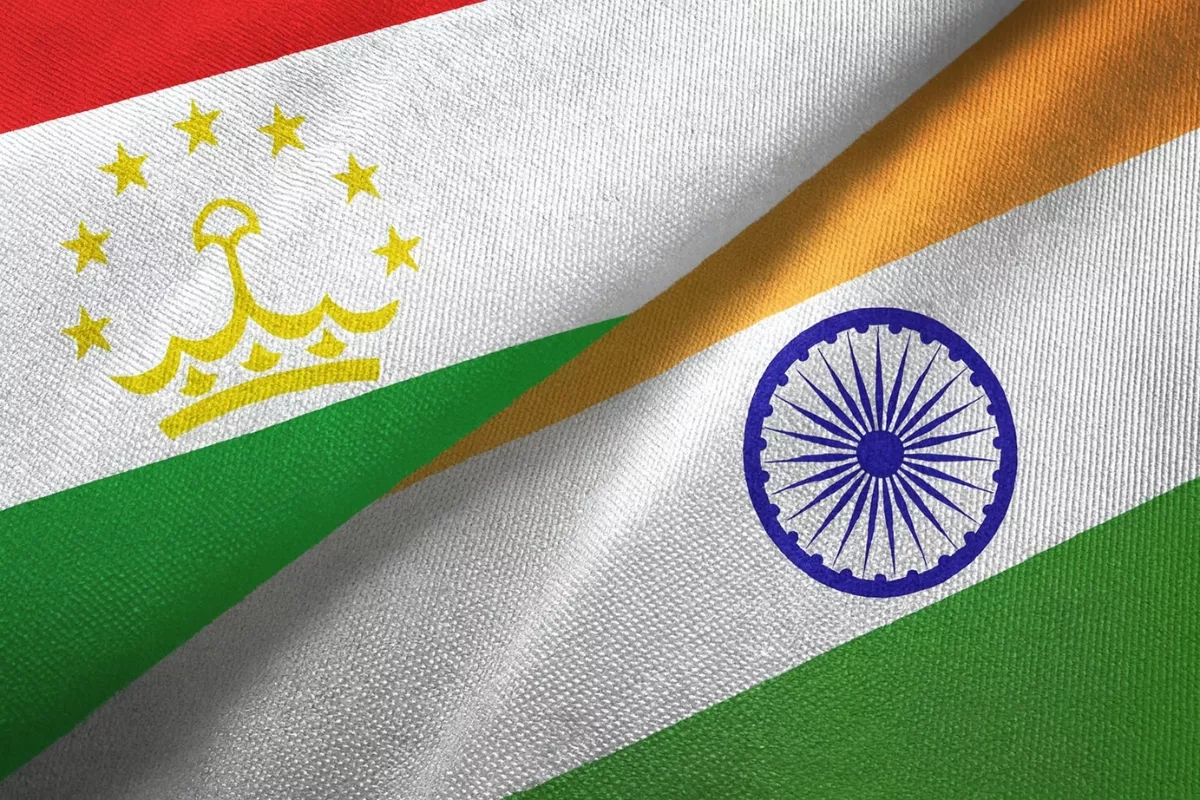
As part of this engagement, Ministry of External Affairs (MEA) Secretary (West) Sibi George held talks with Tajikistan’s Deputy Foreign Minister Sharifzoda Farukh Homiddin during the third Minsk International Conference on Eurasian Security, The Caspian Post reports via Tajik media.
Confirming the meeting, MEA spokesperson Randhir Jaiswal said both sides reviewed the full spectrum of India-Tajikistan relations and explored ways to further strengthen cooperation. Officials noted that the discussions centered on consolidating the traditionally close and cordial ties between New Delhi and Dushanbe, rooted in deep historical, cultural, and linguistic connections.
India and Tajikistan established diplomatic relations in August 1992, and their partnership has since grown into a broad-based relationship spanning political dialogue, development cooperation, security, and culture. Tajikistan has consistently backed India in multilateral forums, supporting its bids at the United Nations and endorsing New Delhi’s aspirations, including permanent membership of the UN Security Council.
The relationship draws strength from centuries-old civilizational links. Historical records and archaeological findings point to India-Tajikistan interactions dating back more than 4,000 years, with evidence of Buddhist, Zoroastrian, artistic, and trade exchanges across Central Asia. From ancient Silk Road commerce to the movement of scholars and monks, Tajikistan served as a vital bridge between South Asia and Eurasia.
These ties were further reinforced during the medieval period, particularly with the rise of the Mughal Empire in India. Its founder, Zahir-ud-din Babur, traced his roots to the Central Asian region close to present-day Tajikistan, adding another layer to the shared historical narrative between the two countries.
Cultural cooperation remains a strong pillar of the partnership today. Indian films and TV series enjoy wide popularity in Tajikistan, while institutions such as the Swami Vivekananda Cultural Centre in Dushanbe promote Indian classical dance, music, yoga, and Hindi studies. Academic exchanges, craft festivals, and people-to-people initiatives continue deepening mutual understanding.
The talks also covered travel and consular cooperation. India maintains a liberal visa regime for Tajik citizens, with quick processing times and widespread use of its e-visa system, particularly for tourism and medical travel. Tajikistan has likewise simplified its visa procedures for Indian visitors.
The MEA said the engagement comes as India intensifies its focus on Central Asia as part of its “Extended Neighbourhood” policy, marked by increased high-level exchanges and strategic dialogue. With growing regional and global challenges, both India and Tajikistan reaffirmed their commitment to strengthening diplomatic, cultural, and people-to-people ties in the years ahead.