The New Lines Institute: Integration with Middle Corridor to Elevate TRIPP’s Strategic Significance
The Middle Corridor and the “Trump Route for International Peace and Prosperity” (TRIPP) are emerging as a strategic alternative to vulnerable transit routes through the Black Sea.
The combined impact of two developments - the announcement in August 2025 of a 99-year lease arrangement for TRIPP and Azerbaijan’s elevation to full participant status in consultative meetings of Central Asian states - has significantly strengthened the institutional and diplomatic backing for the Middle Corridor, The Caspian Post reports via The New Lines Institute.
By expanding the route’s geopolitical footprint to encompass Central Asia, the South Caucasus, and links to European and Turkish markets, the initiative increases incentives for coordinated infrastructure modernization, regulatory harmonization, streamlined border procedures, and the development of multimodal logistics. For Kazakhstan, this means investments in railways, ports, and logistics infrastructure are no longer merely nationally beneficial - they are becoming a core pillar of a more integrated Eurasian trade network.
The institute argues that TRIPP should not be viewed simply as a regional transit line or even solely as a geopolitical breakthrough enhancing US engagement in the region. Its geo-economic significance is broader: as a standalone corridor with substantial strategic impact, especially when integrated with the Middle Corridor and the emerging transport architecture of Central Asia. While its physical length may be modest by Eurasian standards, its strategic weight is disproportionate.
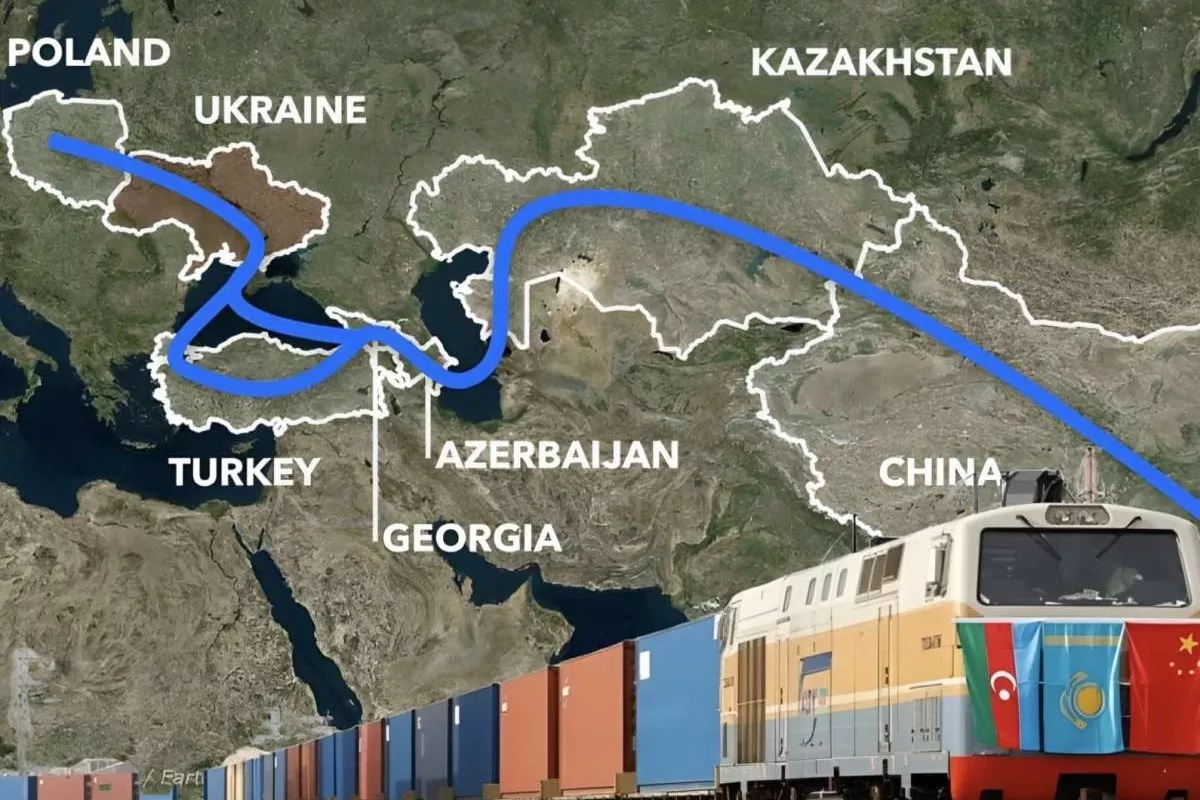
In essence, TRIPP represents a new east-west land bridge running through Armenia’s southern Syunik province, connecting mainland Azerbaijan to Nakhchivan, Türkiye, and onward to European markets. Yet its true value becomes evident when it is understood not as an isolated Caucasus project, but as the western branch of the Middle Corridor - directly linking Kazakhstan’s Caspian hubs, such as Atyrau and Aktau, with Anatolia and the Mediterranean basin.
Although geographically outside Central Asia, TRIPP’s long-term viability is closely tied to Kazakhstan’s role as the backbone of the Middle Corridor. Over the past 15 years, Kazakhstan has invested approximately $35 billion of its own funds into rail, port, road, and digital logistics infrastructure - an unmatched scale of investment along the entire route. This sustained policy has transformed the country into a structural hub of Eurasian overland trade, driving rapid cargo growth. In recent years, freight volumes along the Middle Corridor have expanded by more than 60% year-on-year.
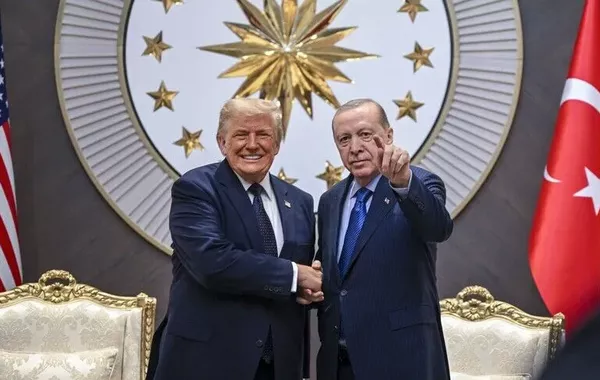
The origins of TRIPP trace back to August 8, 2025, when, following a trilateral meeting in Washington with US President Donald Trump, Azerbaijani President Ilham Aliyev and Armenian Prime Minister Nikol Pashinyan signed a joint declaration aimed at securing peace between Baku and Yerevan and establishing transport links between mainland Azerbaijan and Nakhchivan. The initiative was subsequently named the “Trump Route for International Peace and Prosperity.”
The Middle Corridor itself is a transcontinental trade route connecting Asia and Europe via Central Asia, the Caspian Sea, the South Caucasus, and Türkiye. It serves as an alternative to the traditional Northern and Southern corridors, offering a land-based route that bypasses longer maritime paths while linking China and East Asia directly to European markets.