Eurasian Development Bank Warns of Mounting Risks for Central Asia

photo: wodne sprawy

Eurasian Development Bank Warns of Mounting Risks for Central Asia

Central Asia could soon face a serious water deficit and growing transport disruptions as its population surges toward 96 million by 2040, placing unprecedented strain on infrastructure across the region.

The warning came from Nikolai Podguzov, Chairman of the Management Board of the Eurasian Development Bank, who stressed that rapid demographic growth will intensify pressure on water systems, energy networks, and logistics, The Caspian Post reports via Uzbek media.

A Fast-Growing but Climate-Vulnerable Region

While Central Asia is recognized as one of the world’s fastest-growing regions, it remains highly vulnerable to climate change. Podguzov emphasized that without a breakthrough in energy efficiency, water resource management, and transport modernization, sustainable development could stall.

Water Deficit Could Reach 12 Cubic Kilometers

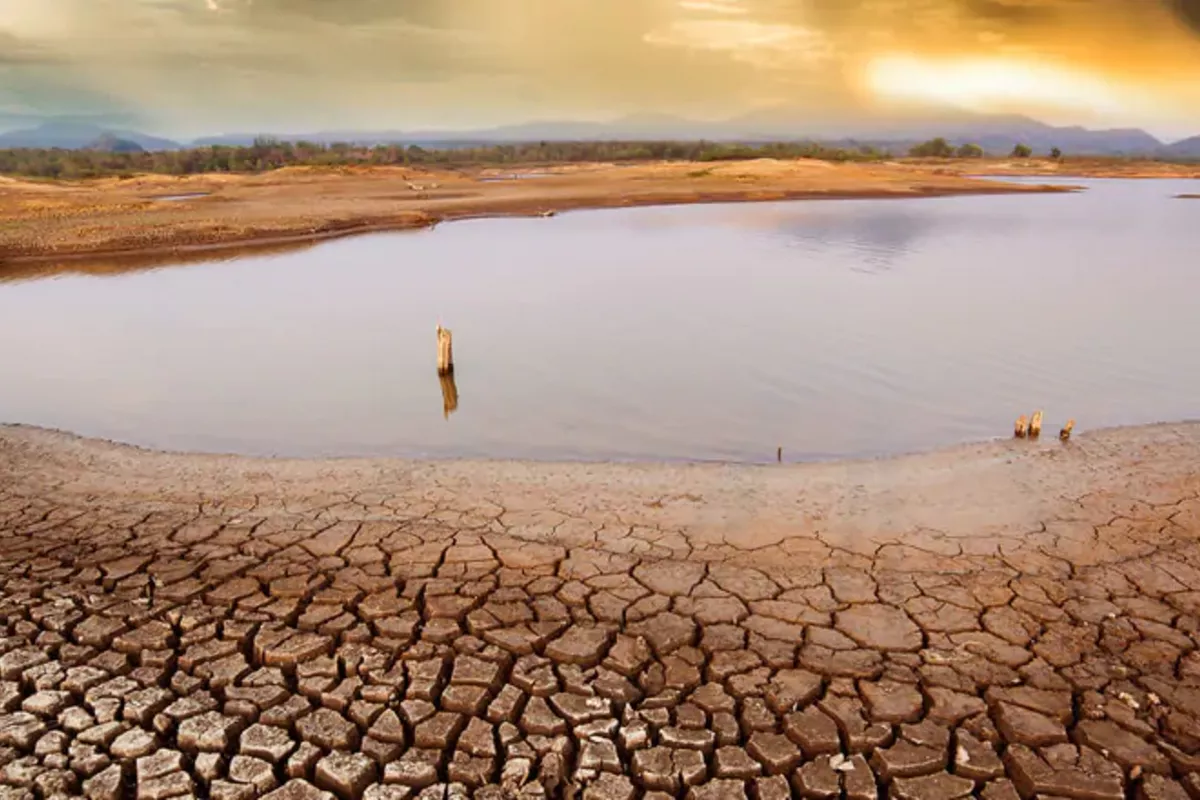
By 2028, the region’s annual water shortage could range between 5 and 12 cubic kilometers. A significant share of water resources is already being lost due to outdated irrigation systems and aging infrastructure - a problem that will only worsen as the population expands.

Landlocked Geography Slows Growth

Geography adds another layer of difficulty. Being located more than 3,000 kilometers from major ocean ports increases trade costs by 20-40 per cent, cutting economic growth by an estimated 1.5 percentage points each year.

A New Eurasian Transport Framework

To address these risks, the EADB is financing irrigation upgrades, water-saving technologies, and digital water accounting systems. The bank has also proposed a Eurasian Transport Framework - a network of international corridors designed to reduce logistics costs and accelerate trade flows.

Key priorities include North-South routes and the potential Trans-Afghan corridor, which could provide Central Asia with direct access to markets in South Asia and the Persian Gulf.

Related news

Eurasian Development Bank Warns of Mounting Risks for Central Asia

Central Asia could soon face a serious water deficit and growing transport disruptions as its population surges toward 96 million by 2040, placing unprecedented strain on infrastructure across the region.