Kazakhstan Challenges Long-Standing Power of Global Energy Giants
It has recently emerged that the oil majors developing Kazakhstan’s Karachaganak field have lost an international arbitration case against Astana. The news, reported by Bloomberg, caused a stir.
According to Bloomberg, citing sources familiar with the matter, the consortium may be required to pay up to $4 billion in compensation to the government of Kazakhstan. However, the exact amount that the project partners will ultimately have to pay has not yet been determined by the tribunal.
The arbitration involved not only Eni and Shell, but also other major shareholders in the project - Chevron, LUKOIL, and KazMunayGas. The proceedings were held in London under the rules of the Arbitration Institute of the Stockholm Chamber of Commerce.
The ruling can be described as a victory for Kazakhstan, though not a complete one. Astana had originally demanded $6 billion from its partners. The lawsuit was based on claims that the companies had been reimbursing certain expenses at the state’s expense under the production-sharing agreement, in particular unapproved cost overruns and other expenditures not subject to reimbursement. The arbitral tribunal agreed with this position and also rejected the defendants’ attempt to dismiss the case on statute-of-limitations grounds.
photo: Reuters
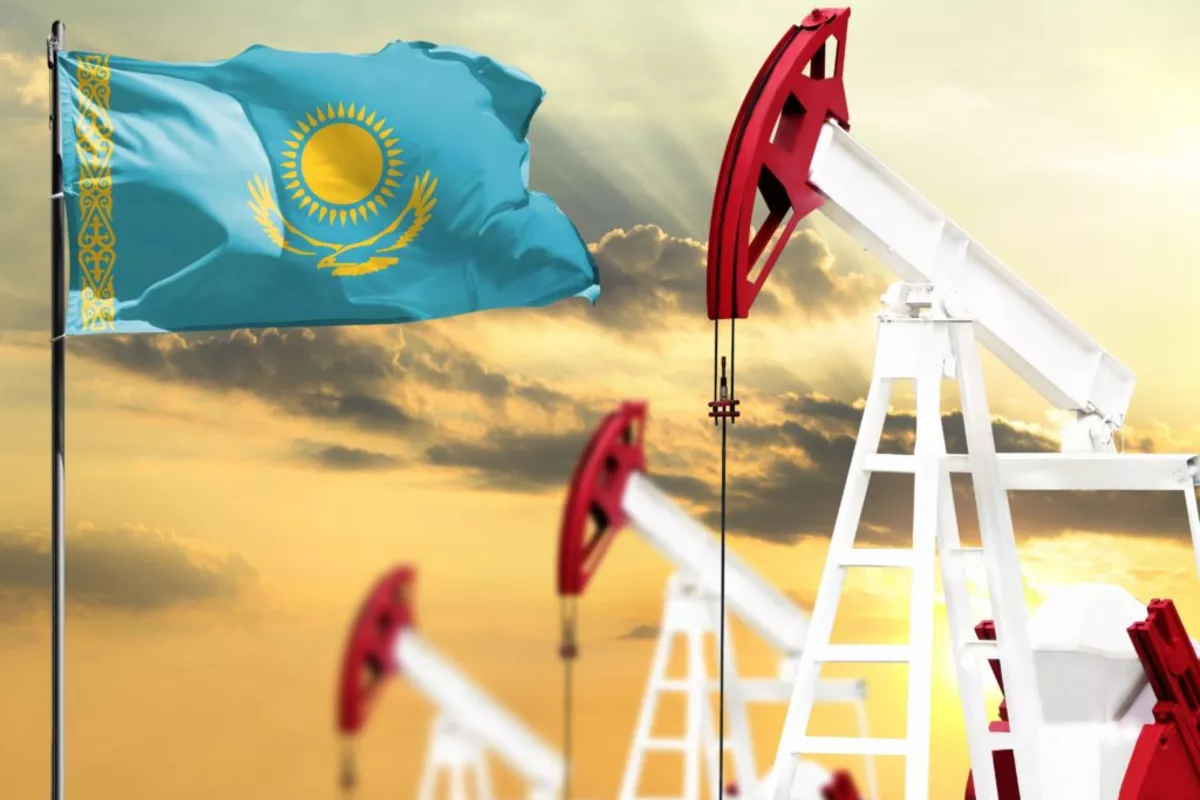
The Karachaganak oil and gas condensate field is located in western Kazakhstan. Discovered in 1979 and under development since 1984, it is considered one of the largest in the world. Its initial reserves exceed 1.7 billion tons of liquid hydrocarbons and 1.7 trillion cubic meters of gas. Karachaganak is a key asset for Kazakhstan’s economy, accounting for a significant share of the country’s gas and condensate production. The operator is the international consortium Karachaganak Petroleum Operating B.V. (KPO), which is expected to remain at the field until 2038. The consortium’s shareholders are Shell (29.25%), Eni (29.25%), Chevron (18%), LUKOIL (13.5%), and KazMunayGas (10%).
In 2023, the government of Kazakhstan filed a lawsuit against the Karachaganak developers over cost deductions. The initial claim amounted to $3.5 billion, but later increased to $6 billion after additional claims were submitted.
This is not Kazakhstan’s first battleground with foreign partners. In July last year, Kazakhstan demanded that Shell and Eni return control over the construction of a gas processing plant at Karachaganak to the state-owned KazMunayGas. Kazakh media, citing government sources, reported that the move was driven by dissatisfaction with the pace and progress of construction.
Several weeks earlier, a consortium led by Eni and Shell had proposed raising the project’s cost from the original $3.5 billion to $6 billion and requested that Kazakhstan cover $1 billion in expenses to ensure project profitability. Kazakh media reported that the Western companies had put forward a number of conditions for building the plant, which the authorities refused to accept.
photo: norvanreports.com
Government officials told journalists that “Kazakhstan is considering options to implement the project with alternative contractors, including the possibility of advancing the gas processing plant through NC KazMunayGas”.
But that is not all.
In August 2024, Bloomberg reported that Kazakhstan had increased compensation claims against foreign oil companies developing the Kashagan oil field to $160 billion. The agency noted that arbitration claims reached this level “after the country said some deals were tainted by corruption”. In April of the same year, the total amount of claims stood at $150 billion.
In March 2023, the Ministry of Ecology filed a lawsuit against North Caspian Operating Company N.V. for alleged violations of environmental legislation. The amount of the claim was not disclosed. Bloomberg, citing its sources, reported that it could amount to $5.1 billion.
The project operator, North Caspian Operating Company N.V., in turn, stated that the consortium operates strictly within the framework of the production-sharing agreement.
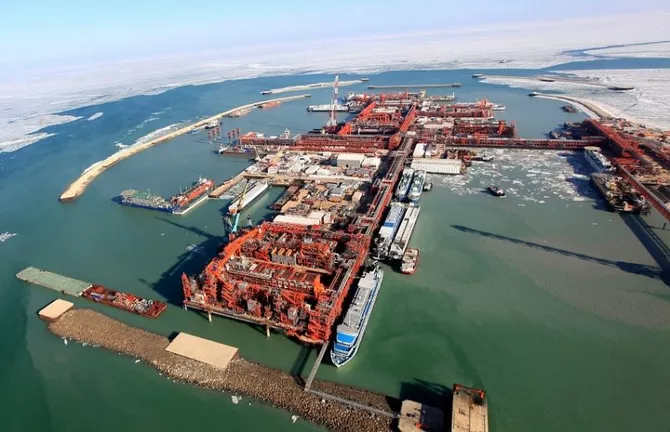
photo: caspiannews.com
In November 2025, Kazakhstan filed a lawsuit in Switzerland seeking to recover $15 million plus interest from several companies and individuals it accuses of corruption in the development of fields managed by subsidiaries of Italy’s Eni. Bloomberg reported this as well, citing court materials. According to the agency, the case is built on evidence from proceedings previously heard in Houston and Italy. Kazakhstan is also seeking additional materials in the United States.
Two Bloomberg sources said the purpose of the Swiss lawsuit is to strengthen Kazakhstan’s overall arbitration position as it pursues two major cases against Shell, ExxonMobil, TotalEnergies, and Eni. The country’s total claims now reach $166 billion. This figure largely reflects lost revenues from Kashagan due to recurring technical problems that have repeatedly reduced production.
Kazakhstan also alleges that Eni contractors in the country were involved in illegal schemes to secure inflated contracts: the value of one such contract reportedly increased from $88 million to more than $490 million after 11 amendments. An Italian court in 2017 convicted a number of contractors, though not Eni employees.
Kazakhstan has already won one case. While the awarded sum has yet to be set and will likely be lower than the amount originally sought, the largest legal battle still lies ahead. If Astana also prevails there, global corporations may have to part with their long-standing reputation as being beyond the reach of justice.