Today it is becoming increasingly difficult to find any region or country that has escaped Donald Trump’s attention. His gaze - part political, part commercial - seems to reach almost everywhere. Perhaps Norway is the only place that feels relatively calm for now, having shown little enthusiasm for turning Trump into a Nobel laureate. But beyond that, almost no corner of the world appears to be outside his field of interest.
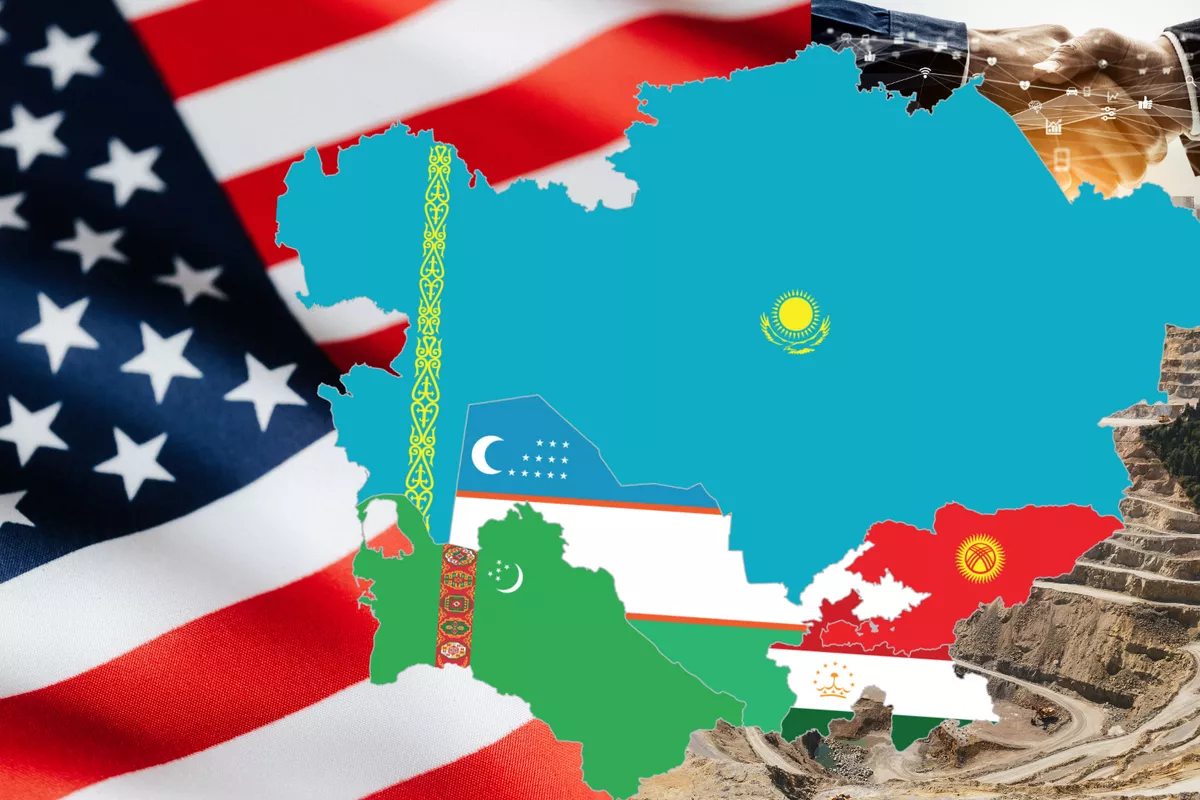
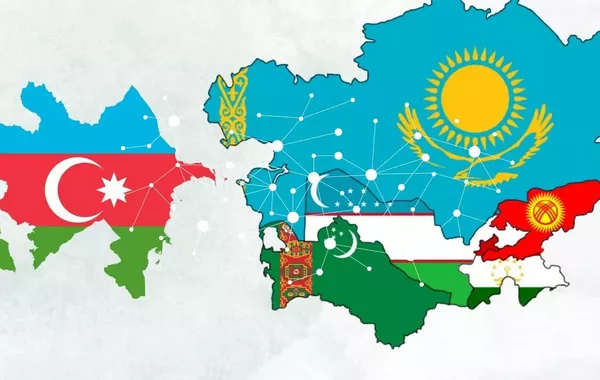
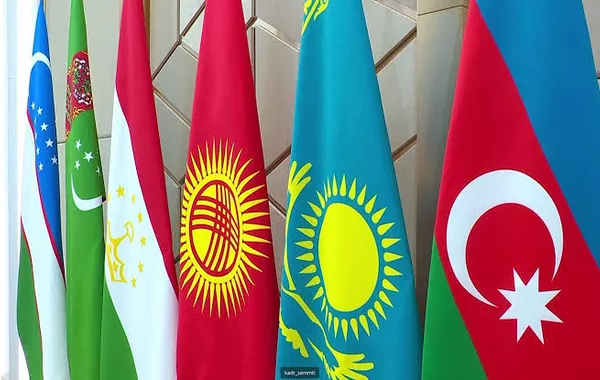
Yet if we look carefully, a distinct pattern begins to emerge. If we set aside Venezuela, Ukraine, Cuba, Colombia, and Greenland - all countries that have featured prominently in Trump’s statements - we can clearly see that Central Asia occupies a special place in his worldview today. Uzbekistan, Kazakhstan, Kyrgyzstan, and Tajikistan are no longer peripheral players in Washington’s strategy; they are becoming part of a broader geopolitical and economic calculation.
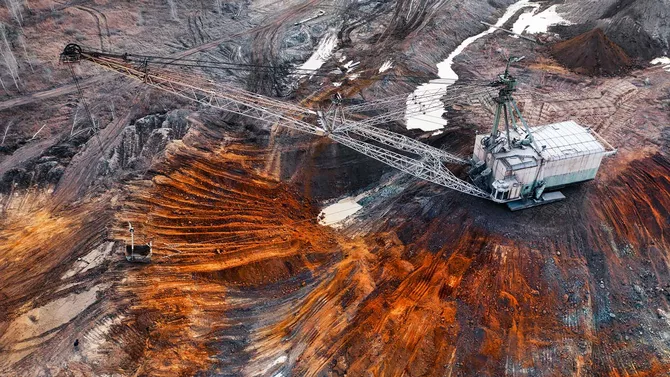
Photo credit: jamestown.org
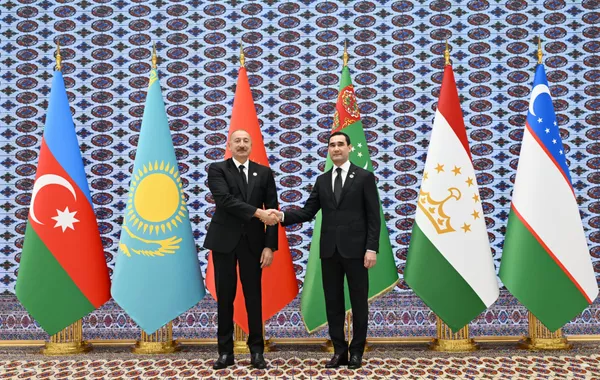
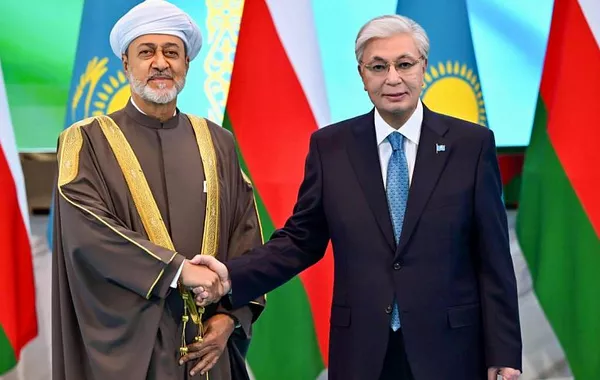
A recent illustration of this was Trump’s invitation to the presidents of Uzbekistan and Kazakhstan to join his proposed “Peace Council” on Gaza. President Shavkat Mirziyoyev quickly welcomed the idea, describing it as a meaningful step toward resolving long-standing Middle Eastern conflicts. Reports suggest that President Kassym-Jomart Tokayev of Kazakhstan also accepted the invitation.
At first glance, this could be interpreted as Trump simply seeking to expand his international influence by bringing as many leaders as possible into his orbit. But a deeper look reveals something more strategic, and more revealing, about his approach to Central Asia.
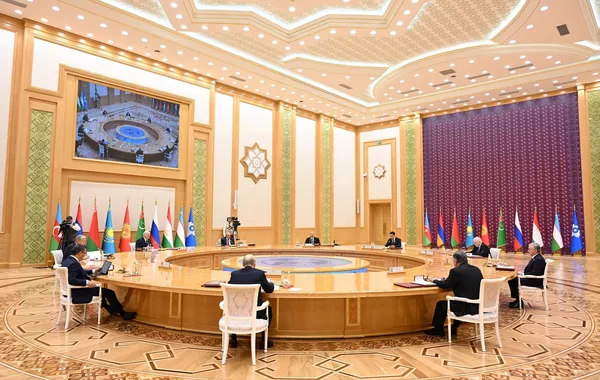
The turning point was the C5+1 summit in Washington at the end of last year. Much has already been said about this meeting, but its implications deserve renewed attention.
During the summit, Mirziyoyev made a striking statement at the White House, saying that none of Trump’s predecessors had cultivated such strong ties with Central Asia. He even went so far as to say, “In Uzbekistan, we call you the president of the world.” Tokayev of Kazakhstan was no less effusive, describing Trump as a leader “sent from the heavens.”
Such language is remarkable, and politically telling.
At the same time, U.S. relations with some regional states remain complicated. Kyrgyzstan, for example, has faced tighter U.S. visa restrictions and increasing pressure on its banking and energy sectors due to its ties with Russia. Despite this, Bishkek agreed to hand over a $3.7-billion railway project to an American company. Symbolically, the next C5+1 summit is scheduled to take place in Bishkek in February, a clear signal that Washington sees Kyrgyzstan as part of its long-term regional agenda.
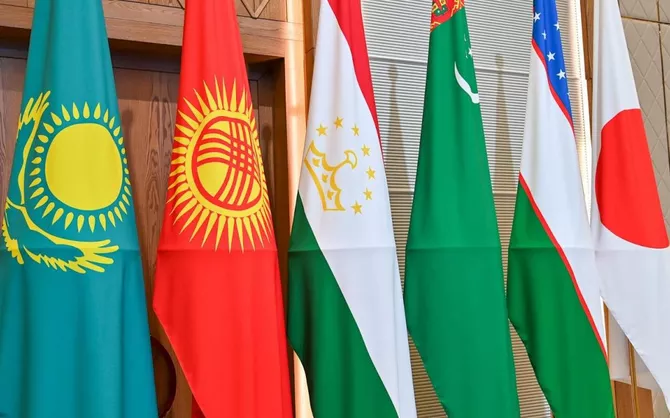
Photo credit: primeminister.kz
Still, it is Kazakhstan and Uzbekistan that stand at the center of Trump’s Central Asian strategy.
After the Washington summit, Trump himself boasted that Uzbekistan would invest nearly $35 billion in U.S. sectors over three years, and more than $100 billion over the next decade. Uzbekistan also agreed to purchase 22 Boeing 787-9 Dreamliners for its national airline and signed an $8.5-billion deal to buy small modular nuclear reactors from the United States.
Perhaps the most paradoxical element of this relationship is Uzbekistan’s agreement to import 100,000 tons of American cotton - despite being one of the world’s largest cotton producers. This suggests that politics, not economics, is driving at least part of these deals.
Kazakhstan’s agreements with Washington were even more extensive. In November alone, Astana signed 29 deals worth $17 billion, including an order for 18 Boeing Dreamliners for Air Astana. Another $2.5-billion agreement aimed to localize the production of John Deere agricultural machinery in Kazakhstan and establish a regional spare-parts hub.
But one deal stands above all others: the agreement to develop one of the world’s largest tungsten deposits in Kazakhstan. Under this deal, the American firm Cove Capital will receive a 70 percent stake in a joint venture with the Kazakh state company Tau-Ken Samruk.
This is not just another mining project - it is a strategic move that fits perfectly with Trump’s global obsession with rare earth and critical minerals.
We have already seen this logic play out in Ukraine and Greenland. Now Central Asia is becoming part of the same picture.
Uzbekistan, too, has signed two key agreements related to rare earth metals - with Denali Exploration Group and Re Element Technologies, granting U.S. companies preferential rights to develop these resources.
According to Uzbek officials, the country holds deposits of 28 types of rare earth elements, including lithium, graphite, germanium, tungsten, vanadium, tantalum, and niobium. Yet Mirziyoyev has openly admitted that Uzbekistan can currently explore only 40 percent of its territory.
What is striking here is not just what Uzbekistan is doing, but what it is not doing. Tashkent has chosen not to cooperate with Russia’s Rosgeology, despite decades of Soviet-era geological data and expertise in the region. Instead, it has turned decisively toward American partners.
This choice speaks volumes about where Uzbekistan sees its future, and where Trump sees his opportunity.
Photo credit: APA
All of this leads to a simple conclusion: Trump’s interest in Central Asia is only going to deepen. And this interest is not about democracy, governance, or development - it is fundamentally about control over strategic resources.
Boeing planes, banks, and universities are important, but they are secondary. The real prize is rare earth metals.
And this brings us to Afghanistan.
Often overlooked in discussions of Central Asia, Afghanistan is believed to hold the world’s largest reserves of rare earth minerals. Its history with the United States is deeply complex and painful, but its geological wealth is undeniable.
To assume that such a country would remain outside Donald Trump’s attention is, in my view, naïve.
If his past behavior is any guide, Afghanistan will not be forgotten, especially not when rare earth metals are involved.