Why the South Caucasus Is Closer to Peace Than Ever Before
For decades, the South Caucasus was viewed as a frozen conflict zone - a geopolitical grey area where violence could erupt at any moment and where peace was discussed far more often than it was genuinely pursued. International actors alternated between neglect and last-minute crisis management, while regional dynamics remained hostage to narratives shaped in the 1990s. Yet today, the region stands at a turning point more profound than anything witnessed since the breakup of the Soviet Union. What recently occurred between Armenia and Azerbaijan would have been dismissed as unrealistic only a few years ago: the Armenian deputy prime minister traveling to Azerbaijan, the two sides meeting to advance border delimitation, and most striking of all, discussing bilateral trade, including the potential export of Azerbaijani oil and petroleum products to Armenia.
These are not symbolic gestures for the cameras. They signal that both nations are finally capable of shifting from inherited hostility to pragmatic cooperation. Even the discussion of grain transit through Azerbaijan - whether from Kazakhstan or Russia - points to the same conclusion: peace is no longer an abstract diplomatic aspiration but an emerging ecosystem of shared interests. Economic interdependence, not ideology, is beginning to define the future.
None of this happened overnight. The five years since the 2020 war have involved difficult, often exhausting diplomacy. Dozens of meetings, technical negotiations, seemingly insurmountable disagreements, and political compromises requiring courage on both sides gradually built the foundations of a new reality. The real inflection point came when Azerbaijan put forward a draft peace treaty grounded in five fundamental principles of interstate relations. By doing so, Baku shifted the process from vague political intentions to concrete structure. Without this document, the peace trajectory would likely still be trapped in a cycle of symbolic statements and postponed expectations.
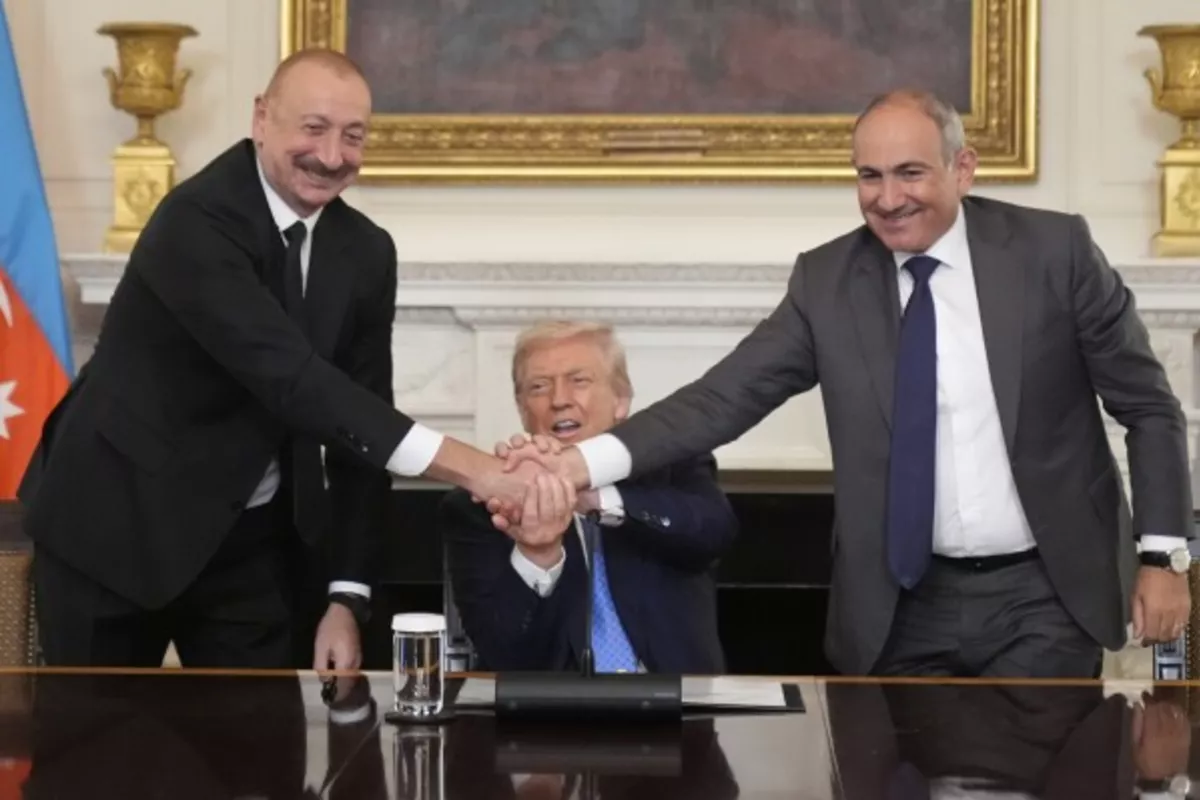
The decisive acceleration arrived when President Donald Trump’s administration re-engaged in the process, bringing Washington’s political weight back into the region in a meaningful way. Trump’s personal involvement signaled something essential: the United States was once again willing to act not as a distant observer, but as a country ready to provide guarantees, apply pressure when needed, and help both sides navigate difficult decisions. For Azerbaijan, this alignment was natural - Baku had long argued that durable peace in the South Caucasus required active U.S. participation, not out of favoritism but because Washington was uniquely positioned to enforce accountability and prevent backsliding.
The results followed quickly. Beginning in February and March, U.S.-Azerbaijan and U.S.-Armenia engagement intensified, converging into a coherent diplomatic corridor. A milestone came in Abu Dhabi, where negotiations between Armenian and Azerbaijani officials lasted more than five hours - an unprecedented display of sustained dialogue. The core parameters of what would become the Washington Agreement were shaped there. And despite the reluctance of some critics to acknowledge it, Trump’s role was pivotal. Without his willingness to apply political pressure and invest personal capital, the agreement might still be circulating in draft form.
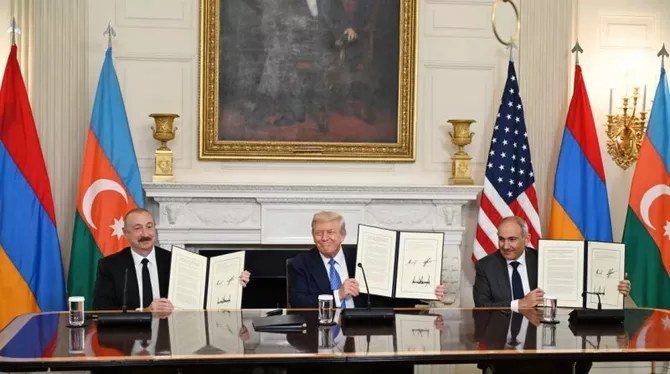
Photo: AZERTAC
The decision to sign the peace agreement in the Oval Office was not political theater. It served a strategic purpose: to eliminate ambiguity, bind both sides to their commitments, and signal to the world that the era of sporadic mediation and endless provisional arrangements was over. In diplomacy, visibility is sometimes a form of enforcement. A public ceremony imposes a political cost on any attempt to reverse what has been agreed.
Still, the most important lesson is that Armenians and Azerbaijanis had to assume ownership of the process. No external power - not Washington, Brussels, or Moscow - could impose peace or manufacture reconciliation. The two countries had to demonstrate their capacity to negotiate directly, maintain an uninterrupted dialogue, and present their agreement as the product of shared political will. Bilateral engagement ultimately proved far more effective than the multilayered, often contradictory formats of earlier years.
Yet this is where global actors risk a damaging mistake. Peace can be undone not only by tanks or drones but also by careless rhetoric and outdated narratives. Analysts, civil society groups, and international organizations often cling to simplified storylines developed decades ago. These narratives may be emotionally resonant, but they distort present realities and can shape policy in counterproductive ways.
This issue surfaced at the Doha Forum during a conversation with Tucker Carlson, whose segment unintentionally echoed obsolete frames that no longer reflect regional dynamics. To his credit, Carlson acknowledged the problem. But the broader challenge endures: the international community must stop reanimating a past the region is finally leaving behind.
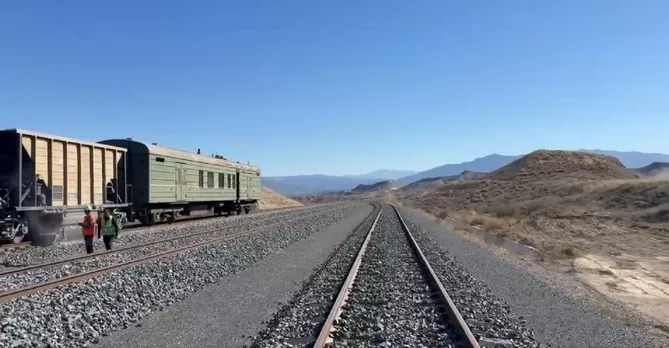
Photo: Screengrab
The economic stakes could not be higher. Peace requires dividends; otherwise, it will not last. The South Caucasus needs investment, infrastructure, and connectivity. It needs accelerated development of the Zangezur Corridor - not as a geopolitical instrument but as a practical artery for trade, mobility, and long-term stability. The region must become a platform for cooperation rather than a battleground for competing narratives.
For once, the South Caucasus offers something extraordinarily rare: a protracted conflict that is genuinely closing. One long, painful chapter is ending. At a time when war dominates headlines from Europe to the Middle East, the Armenia-Azerbaijan peace process serves as a reminder that diplomacy can succeed when political will aligns with strategic maturity.
It has always been easier to talk about war than peace. For years, meetings between Armenians and Azerbaijanis revolved around grievances, losses, and unresolved trauma. Now, for the first time in a generation, they revolve around possibilities - economic openings, new corridors, joint projects, and the vision of a region no longer defined by conflict. The world should take note, and more importantly, it should not get in the way.